
Terrifying Space Sounds: NASA Recordings That Will Haunt You
Space is often described as silent, but the truth is far more unsettling. NASA has been capturing eerie electromagnetic signals from across our solar system for decades, converting them into audio frequencies that reveal the haunting symphony of the cosmos. These recordings expose a universe filled with mysterious whistles, otherworldly groans, and bone-chilling drones that seem to come from the depths of nightmares.
Understanding the Basics
The concept of “sound” in space requires explanation, as traditional sound waves cannot travel through the vacuum of space. However, celestial bodies generate electromagnetic waves, plasma waves, and radio emissions that can be converted into audible frequencies through sophisticated NASA equipment. These converted signals reveal the hidden acoustic landscape of our solar system, creating an otherworldly collection of sounds that would make any horror movie soundtrack pale in comparison.
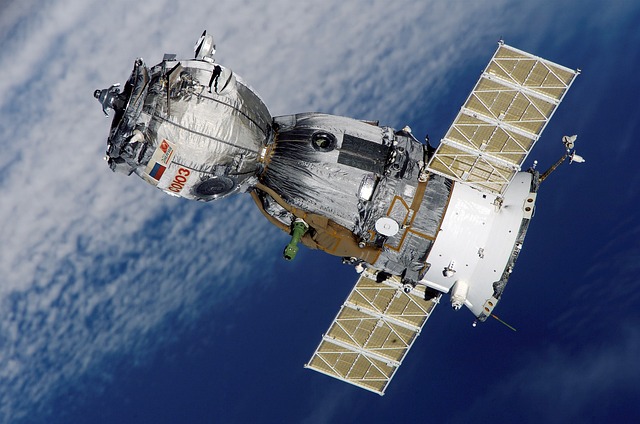
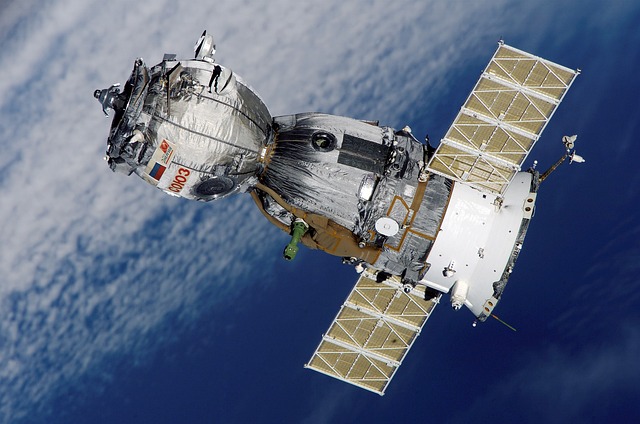
NASA’s Voyager missions, launched in the 1970s, have been instrumental in capturing these terrifying space sounds. The spacecraft carry instruments designed to detect electromagnetic phenomena, which are then translated into audio frequencies that human ears can perceive. What emerged from this process was a collection of sounds so alien and disturbing that they challenge our understanding of the cosmos.
The planets in our solar system each produce their own unique acoustic signatures. Jupiter emits deep, rumbling sounds reminiscent of whale songs mixed with industrial machinery. Saturn creates haunting whistles and ethereal tones that sound like voices calling from the void. These aren’t random noises – they’re the actual electromagnetic signatures of massive planetary systems, magnetic fields interacting with solar wind, and atmospheric phenomena beyond our earthly experience.

Key Methods
Step 1: Electromagnetic Wave Detection
NASA employs sophisticated magnetometers and plasma wave instruments aboard spacecraft to detect electromagnetic fluctuations in space. These instruments are incredibly sensitive, capable of picking up the faintest electromagnetic signatures from planetary magnetospheres, solar wind interactions, and cosmic phenomena. The Voyager spacecraft, for instance, use plasma wave subsystems that can detect frequencies ranging from a few hertz to several kilohertz.
The detection process involves measuring variations in electromagnetic fields as spacecraft travel through different regions of space. When solar wind particles interact with planetary magnetic fields, they create complex electromagnetic disturbances. These disturbances generate waves that propagate through space, carrying information about the conditions and processes occurring in these remote regions. The instruments record these fluctuations as digital data, which forms the foundation for the terrifying sounds we eventually hear.
Step 2: Frequency Conversion Process
The raw electromagnetic data captured by spacecraft instruments exists in frequencies often beyond human hearing range. NASA scientists use specialized software and techniques to compress time scales and shift frequencies into the audible range, typically between 20 Hz and 20,000 Hz. This process, called sonification, transforms electromagnetic phenomena into sounds that reveal the hidden acoustic nature of space.
During conversion, scientists must carefully preserve the essential characteristics of the original signals while making them audible to human ears. This involves complex mathematical algorithms that maintain the relative relationships between different frequency components. The result is an authentic representation of space phenomena in audio form, allowing us to literally hear the electromagnetic voices of planets, moons, and other celestial bodies.
Step 3: Audio Enhancement and Analysis
Once converted to audible frequencies, these space sounds undergo further processing to enhance their clarity and remove background noise. Scientists use advanced audio filtering techniques to isolate specific phenomena and make them more distinct for analysis. This process reveals the intricate details of space sounds that might otherwise be lost in the cosmic electromagnetic background.

The enhancement process also involves careful documentation of the source, timing, and conditions under which each sound was recorded. Scientists correlate these audio phenomena with visual observations and other scientific data to understand the physical processes responsible for generating these eerie sounds. This comprehensive analysis has revealed that many of the most terrifying space sounds correspond to some of the most violent and energetic processes in our solar system.
Practical Tips
**Tip 1: Start with Saturn’s Radio Emissions**
Begin your journey into terrifying space sounds with Saturn’s haunting radio emissions, often called “Saturn’s Song.” These recordings, captured by the Cassini spacecraft, reveal a planet that seems to be singing in an alien language. The sounds resemble a combination of whale songs and electronic music, creating an otherworldly experience that perfectly introduces the unsettling nature of space audio. Listen with headphones in a dark room for the full effect, and pay attention to the subtle variations in tone and frequency that suggest complex electromagnetic processes occurring in Saturn’s magnetosphere.
**Tip 2: Experience Jupiter’s Electromagnetic Storms**
**Tip 3: Explore Voyager’s Interstellar Recordings**
As Voyager 1 crossed into interstellar space, it captured sounds that represent humanity’s first audio glimpse beyond our solar system. These recordings reveal the transition from our sun’s influence to the broader galaxy, creating sounds that seem to chronicle our spacecraft’s journey into the true unknown. The audio captures the moment when familiar solar wind sounds fade away, replaced by the mysterious electromagnetic signature of interstellar space. These recordings represent some of the most profound and unsettling audio ever captured by human technology.
**Tip 4: Listen to Miranda’s Mysterious Signals**
Uranus’s moon Miranda generates some of the most puzzling and eerie sounds in our solar system. These recordings feature strange, rhythmic patterns that almost seem intentional, like signals from an unknown intelligence. Scientists believe these sounds result from complex interactions between Uranus’s tilted magnetic field and Miranda’s unique orbital characteristics. The resulting audio has an almost musical quality, but with an underlying alien character that makes it deeply unsettling to human ears.
**Tip 5: Investigate Solar Wind Interactions**
The interaction between solar wind and planetary magnetospheres creates some of the most dynamic and terrifying space sounds. These recordings capture the cosmic battle between stellar radiation and planetary magnetic defenses, resulting in audio that sounds like cosmic warfare. Each planet’s interaction with solar wind creates unique acoustic signatures, from Earth’s relatively gentle magnetic field interactions to Jupiter’s violent electromagnetic clashes. Understanding these interactions through their audio signatures provides insight into the ongoing cosmic processes that shape our solar system.
Important Considerations
When exploring these terrifying space sounds, it’s crucial to understand that what you’re hearing represents real electromagnetic phenomena occurring across vast distances and time scales. These aren’t fictional horror movie effects – they’re authentic recordings of cosmic processes that dwarf anything we experience on Earth. Some listeners report feeling unsettled or anxious when hearing these sounds, which is a natural response to audio that falls so far outside normal human experience.
It’s important to remember that these sounds have been time-compressed and frequency-shifted to make them audible to human ears. The original electromagnetic phenomena often occur over much longer time periods and at frequencies we cannot naturally hear. Scientists have worked carefully to preserve the essential characteristics of these signals while making them accessible to our auditory perception.
The psychological impact of these sounds shouldn’t be underestimated. Many people find space sounds deeply unsettling because they represent the vast, alien nature of the cosmos. These recordings remind us that we live in a universe filled with phenomena beyond our everyday experience, operating on scales of time and space that challenge human comprehension.
Conclusion
NASA’s collection of terrifying space sounds offers a unique window into the hidden acoustic landscape of our universe. These recordings reveal that space, far from being silent, resonates with the electromagnetic voices of planets, stars, and cosmic phenomena. From Saturn’s haunting songs to Jupiter’s electromagnetic roars, these sounds provide an audio journey through the most alien environments in our solar system.
The scientific value of these recordings extends beyond their unsettling nature. They represent genuine scientific data that helps researchers understand electromagnetic processes throughout the cosmos. Each eerie whistle, mysterious drone, and otherworldly groan corresponds to real physical phenomena occurring in the vast reaches of space.
As we continue exploring our solar system and beyond, we can expect to encounter even more mysterious and terrifying sounds from the cosmos. Future missions will likely capture audio from even more remote and alien environments, expanding our understanding of the universe’s hidden acoustic dimensions. These sounds remind us that we live in a cosmos far stranger and more mysterious than we often imagine, filled with phenomena that continue to challenge our understanding and ignite our imagination about what lies beyond our small planet in the vast cosmic dark.