
The B-52 Bomber: A Strategic Investment in American Air Power
Introduction: Understanding the B-52 Stratofortress
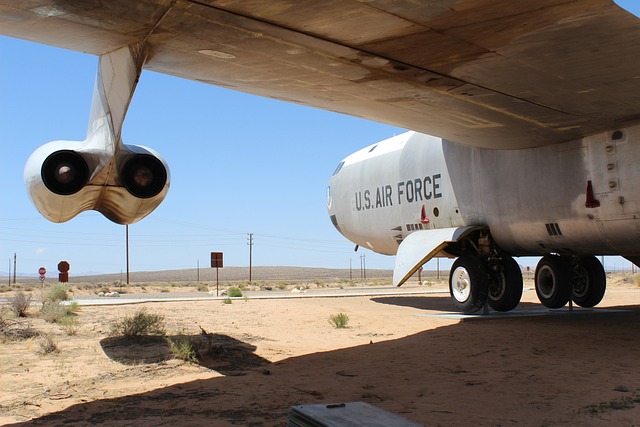
The Boeing B-52 Stratofortress stands as one of the most remarkable engineering and investment achievements in military aviation history. First introduced in 1955, this long-range, subsonic, jet-powered strategic bomber has served the United States Air Force for nearly seven decades, making it the longest-serving combat aircraft in aviation history. Beyond its military significance, the B-52 program represents a fascinating case study in long-term government investment, industrial policy, and the economics of defense spending.
In this comprehensive analysis, we will explore the B-52 bomber from multiple perspectives: its historical development, the economic principles behind its longevity, investment lessons that can be drawn from its procurement and maintenance strategy, and how understanding such large-scale government investments can inform personal financial decisions and passive income strategies.
Historical Context and Development Investment
The Cold War Investment Thesis
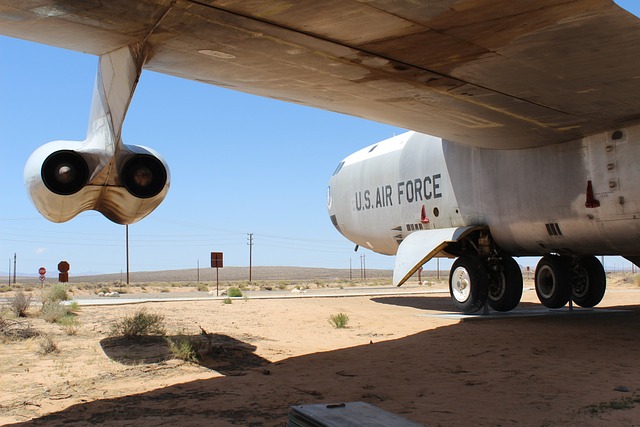
The B-52 program emerged from the strategic calculus of the early Cold War era. The United States government recognized the need for a delivery platform capable of carrying nuclear weapons deep into Soviet territory. This recognition led to one of the most significant peacetime military investments in American history.
The initial development costs for the B-52 program were substantial, with Boeing receiving contracts totaling billions of dollars in 1950s currency. When adjusted for inflation, the total program cost represents one of the largest single weapons system investments ever undertaken by any nation. However, the per-unit cost amortized over the aircraft’s service life tells a different story—one of remarkable value creation through longevity.
Production Economics and Scale
Between 1952 and 1962, Boeing manufactured 744 B-52 aircraft across eight distinct variants, from the B-52A through the B-52H. The production run demonstrated classic economies of scale, with per-unit costs declining as manufacturing processes were refined and supply chains optimized. This principle mirrors fundamental investment concepts: the importance of scale, process improvement, and learning curves in generating returns.
The decision to concentrate production in a single decade rather than spreading it across multiple decades proved economically sound. This approach allowed for:
– Standardized manufacturing processes
– Consolidated supplier relationships
– Efficient workforce training and retention
– Predictable budget planning
The Economics of Longevity: Lessons for Long-Term Investors
Compound Value Through Continuous Modernization
Perhaps the most striking aspect of the B-52 program is its ongoing relevance nearly 70 years after initial deployment. Currently, 76 B-52H aircraft remain in active service, with plans to keep them operational until at least 2050—potentially giving individual airframes a century of service life.
This extraordinary longevity was not accidental but rather the result of deliberate investment in modernization and upgrades. The Air Force has continuously invested in:
– Avionics upgrades and digital systems integration
– Engine replacement programs
– Structural reinforcement and fatigue management
– Weapons systems compatibility enhancements
– Communication and navigation system updates
The parallel to personal investment strategy is clear: assets that receive consistent maintenance, attention, and strategic reinvestment can generate returns far exceeding their initial cost basis. Just as a well-maintained rental property can provide decades of passive income, the B-52’s ongoing value stems from continuous, strategic reinvestment.
Total Cost of Ownership Analysis
Defense economists have extensively studied the B-52’s total cost of ownership, yielding insights applicable to any major capital investment decision. The key metrics include:
**Acquisition Costs**: The initial purchase price, including development, testing, and production expenses.
**Operating Costs**: Fuel, crew training, routine maintenance, and base infrastructure requirements.
**Sustainment Costs**: Major overhauls, component replacements, and system upgrades necessary to maintain operational capability.
**Opportunity Costs**: The alternative uses for capital that could have been allocated elsewhere.
When analyzed comprehensively, the B-52 demonstrates that initial acquisition costs often represent only a fraction of lifetime expenditure. For personal investors, this principle applies directly to purchases like real estate, vehicles, or business equipment. Understanding total cost of ownership prevents the common error of focusing exclusively on purchase price while ignoring ongoing expenses.
Defense Industry Investment Opportunities
Prime Contractors and the B-52 Supply Chain
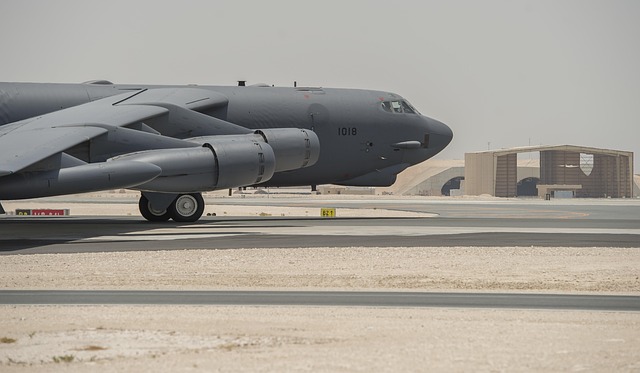
The B-52 program has created sustained business opportunities for numerous companies throughout its service life. Boeing, as the original manufacturer, continues to receive contracts for technical support, engineering services, and upgrade integration. However, the economic benefits extend far beyond a single company.
Investors seeking exposure to defense sector spending can consider:
**Aerospace Prime Contractors**: Companies like Boeing, Northrop Grumman, and Lockheed Martin benefit from ongoing modernization programs and new weapons integration contracts.
**Engine Manufacturers**: The planned B-52 Commercial Engine Replacement Program (CERP), now designated as the B-52J program, will replace all eight engines on each aircraft. Rolls-Royce was awarded this contract, representing billions in future revenue.
**Avionics and Electronics Suppliers**: Companies specializing in radar systems, communications equipment, and mission computers receive steady contracts for upgrades and replacements.
**Maintenance and Logistics Providers**: Both defense contractors and specialized maintenance organizations benefit from the ongoing need to support aging aircraft.
Defense ETFs and Mutual Funds as Passive Income Vehicles
For individual investors seeking passive exposure to defense spending without selecting individual stocks, several exchange-traded funds (ETFs) offer diversified access to the sector:
These funds typically include companies directly involved in B-52 sustainment alongside other major defense programs. Dividend yields from defense-focused ETFs have historically provided stable income streams, as defense budgets tend to be more predictable than many other government expenditure categories.
The investment thesis for defense sector exposure rests on several factors:
1. **Budget Stability**: Defense spending enjoys bipartisan political support and tends to increase during periods of international tension.
2. **Long Contract Cycles**: Multi-year procurement contracts provide revenue visibility unusual in most industries.
3. **High Barriers to Entry**: The technical complexity and security requirements of defense work create substantial competitive moats.
4. **Pricing Power**: Cost-plus contracting arrangements in some programs protect margins.
Strategic Investment Lessons from Military Procurement
The Value of Optionality
The B-52’s design incorporated remarkable flexibility, allowing it to adapt to missions never envisioned by its original designers. Initially conceived as a high-altitude nuclear bomber, the aircraft has served as:
– A conventional bomb delivery platform
– A cruise missile launcher
– A maritime patrol and mine-laying aircraft
– An electronic warfare platform
– A standoff weapons carrier
This inherent optionality—the ability to adapt to changing requirements—has protected the government’s investment through multiple strategic paradigm shifts. For personal investors, the lesson is clear: assets and strategies that maintain flexibility in changing conditions often outperform those optimized for a single scenario.
Consider how this principle applies to building passive income streams:
– **Diversified Real Estate Holdings**: Properties in different markets and asset classes can adapt to various economic conditions.
– **Dividend Growth Portfolios**: Companies with histories of increasing dividends demonstrate adaptability to changing business environments.
– **Skills-Based Income**: Developing transferable skills creates options for multiple income-generating activities.
Sunk Costs and Rational Decision-Making
The B-52 program also illustrates the importance of properly handling sunk costs in investment decisions. Despite the billions invested in development, the decision to continue operating these aircraft rests on forward-looking analysis rather than historical spending.
When evaluating whether to maintain, upgrade, or replace the B-52 fleet, defense planners consider:
– Future operational requirements
– Cost of continued operation versus new procurement
– Capability gaps that modernization can or cannot address
– Timeline to field replacement systems
This rational approach to sunk costs applies directly to personal investment decisions. The price paid for a stock, property, or business should not influence whether to hold, improve, or sell. Only future expected returns matter.
Passive Income Strategies Inspired by Defense Economics

Building a “Defense-Grade” Portfolio
The principles underlying B-52 sustainment can inform personal portfolio construction:
**Durability Over Novelty**: Just as the B-52 has outlasted numerous proposed replacements, time-tested investment approaches often outperform trendy strategies. Blue-chip dividend stocks, established real estate markets, and proven business models may lack excitement but deliver reliable returns.
**Systematic Maintenance**: Regular portfolio rebalancing, tax-loss harvesting, and dividend reinvestment mirror the systematic maintenance that keeps B-52s flying. Passive income requires active management of the systems that generate it.
**Upgrade Strategically**: Periodic assessment of holdings and strategic improvements—such as moving to lower-cost funds, refinancing properties, or reinvesting in higher-yielding assets—compounds returns over time.
Dividend Investing as a Sustainment Strategy
Dividend-focused investing shares philosophical similarities with the B-52 sustainment approach. Rather than seeking capital gains through buying and selling, dividend investors acquire stakes in established enterprises that distribute a portion of profits to shareholders.
Key principles include:
**Quality Over Yield**: Just as the Air Force prioritizes operational capability over minimizing costs, dividend investors should focus on sustainable payout ratios and earnings growth rather than chasing the highest current yields.
**Reinvestment Discipline**: Dividend reinvestment plans (DRIPs) automate the compounding process, similar to how programmed depot maintenance keeps aircraft operational without requiring constant command attention.
**Long Time Horizons**: The B-52’s multi-decade service life demonstrates the value of patience. Dividend portfolios typically require years to generate meaningful passive income, but the compounding eventually becomes substantial.
Real Estate Parallels
Real estate investment shares numerous characteristics with military asset management:
**Initial Acquisition**: Purchasing property requires careful due diligence, just as aircraft procurement demands rigorous evaluation.
**Ongoing Maintenance**: Buildings, like aircraft, require continuous investment to remain functional and valuable.
**Periodic Upgrades**: Major renovations parallel mid-life overhauls, extending useful life and enhancing capability.
**Eventual Replacement**: All assets eventually require replacement, requiring planning and capital reserves.
For passive income investors, real estate investment trusts (REITs) offer exposure to these dynamics without direct property management responsibilities.
Risk Management and Portfolio Defense
Diversification as Strategic Depth
The United States maintains multiple nuclear delivery platforms—the bomber leg, submarine-launched missiles, and land-based intercontinental ballistic missiles—ensuring that no single point of failure could eliminate deterrent capability. This “triad” approach represents strategic diversification.
Personal portfolios benefit from similar diversification:
– **Asset Class Diversification**: Stocks, bonds, real estate, and alternative investments respond differently to economic conditions.
– **Geographic Diversification**: International exposure reduces dependence on any single economy.
– **Income Source Diversification**: Multiple passive income streams—dividends, rental income, royalties, interest—provide stability when any single source fluctuates.
Contingency Planning
Military planners maintain detailed contingency plans for various scenarios. Likewise, passive income investors should consider:
– Emergency reserves covering multiple months of expenses
– Insurance protecting major assets
– Estate planning ensuring wealth transfer efficiency
– Backup income sources activated if primary streams fail
Conclusion: Long-Term Thinking in Investment and Defense
The B-52 Stratofortress represents more than a military aircraft; it embodies principles of long-term thinking, strategic investment, and systematic sustainment that apply far beyond defense policy. Its seven-decade service life demonstrates that initial acquisition costs pale in comparison to the value created through disciplined maintenance, strategic modernization, and adaptive mission planning.
For individual investors seeking to build passive income streams, the B-52’s history offers valuable lessons:
1. **Invest in quality assets with proven track records** rather than chasing novelty.
2. **Commit to systematic maintenance and reinvestment** rather than neglecting holdings after acquisition.
3. **Maintain flexibility and optionality** to adapt as conditions change.
4. **Think in decades, not quarters**, allowing compound growth to work its mathematical magic.
5. **Diversify strategically** to ensure no single failure point can derail long-term objectives.
Whether allocating defense budgets or building personal wealth, the fundamental principles remain consistent: acquire quality, maintain diligently, upgrade strategically, and maintain the long-term perspective necessary for extraordinary outcomes. The B-52 Stratofortress, still flying missions seven decades after its first flight, stands as enduring proof of what such discipline can achieve.
As you develop your own investment strategy and passive income portfolio, consider the lessons from this remarkable aircraft. The patience, discipline, and long-term thinking that have kept B-52s flying can equally well keep your portfolio growing and your passive income flowing for decades to come.