
Chernobyl HBO Series 2019: Complete Trailer Analysis & Review
Understanding the Basics
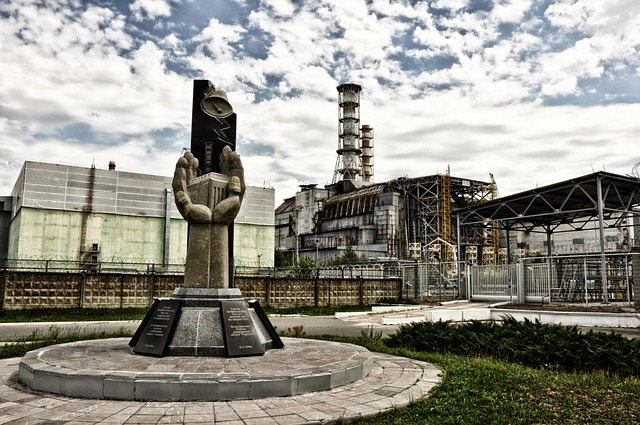
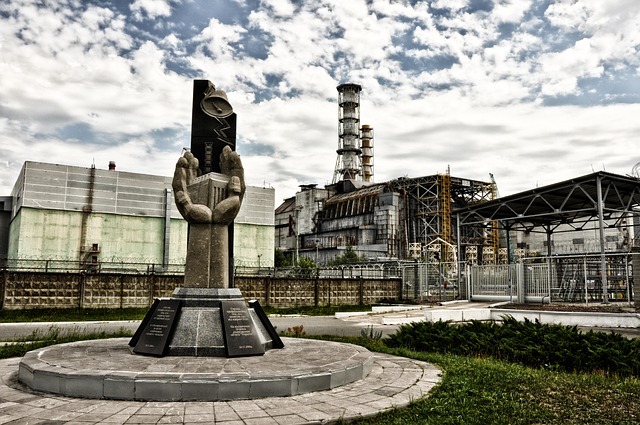
The HBO Chernobyl series goes far beyond a simple retelling of the disaster. It presents a complex narrative that explores the human cost of lies, the devastating consequences of institutional denial, and the extraordinary courage of ordinary people in the face of unimaginable catastrophe. The show’s trailer immediately establishes the gravity of the situation, opening with haunting images of the abandoned city of Pripyat and the ominous glow of the damaged reactor.
What sets this series apart from other historical dramas is its commitment to scientific accuracy and emotional authenticity. The creators worked closely with nuclear physicists, historians, and survivors to ensure every detail was as accurate as possible. The trailer showcases this attention to detail, from the period-accurate Soviet uniforms to the authentic recreation of the control room where the disaster began.
The series follows three main characters: Valery Legasov, the nuclear physicist tasked with investigating the disaster; Boris Shcherbina, the Soviet official assigned to manage the crisis; and Ulana Khomyuk, a composite character representing the many scientists who worked to understand what went wrong. Through their eyes, viewers witness not just the technical failure that caused the explosion, but the systemic failures that made it inevitable and the heroic efforts to prevent an even greater catastrophe.
Key Methods

Step 1: Historical Context and Setup
The series masterfully establishes the political and social context of 1986 Soviet Union, where truth was often sacrificed for the appearance of competence and control. The trailer hints at this theme with shots of officials in meeting rooms, their faces tense with the weight of decisions that will affect millions. The show demonstrates how the Soviet system’s emphasis on secrecy and denial of problems created the perfect conditions for disaster.
The opening episode doesn’t just show the explosion; it reveals the culture of lies and willful ignorance that made it possible. Plant workers are shown dismissing clear evidence of catastrophic failure, insisting that a nuclear reactor cannot explode even as radiation levels soar to lethal heights. This denial isn’t just individual stubbornness but a systemic failure where admitting problems could be career-ending or worse.
The series also carefully establishes the human cost from the very beginning. We see firefighters responding to what they believe is a simple building fire, unaware they’re walking into a radiation field that will kill them within weeks. The trailer captures these moments of tragic irony, showing brave men and women making the ultimate sacrifice while authorities struggle to comprehend the magnitude of what has happened.
Step 2: Scientific Explanation and Investigation
One of the series’ greatest strengths is its ability to make complex nuclear physics accessible to general audiences without dumbing down the science. The trailer shows glimpses of Legasov’s desperate attempts to understand and explain what happened, using simple analogies and clear visual demonstrations. The show doesn’t shy away from technical details but presents them in ways that serve the dramatic narrative.
The investigation unfolds like a detective story, with Legasov and his team piecing together evidence while fighting against official resistance to their findings. The trailer hints at the tension between scientific truth and political expediency, showing heated confrontations in government offices and tense moments in contaminated areas where every breath could be deadly.
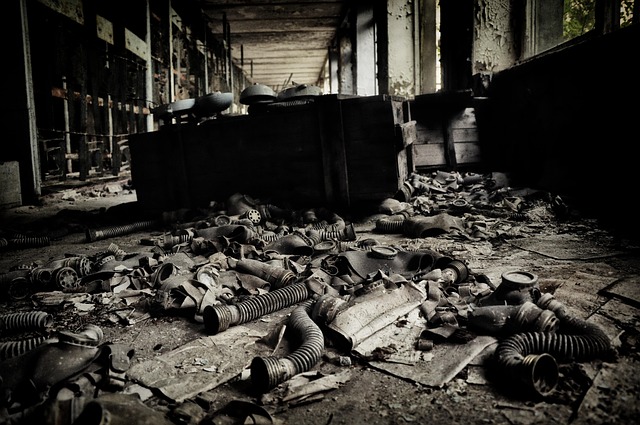
The series also explores the international implications of the disaster, showing how the Soviet Union’s initial attempts to cover up the accident endangered people across Europe. Weather patterns carried radioactive material across borders, creating a crisis that couldn’t be contained by political boundaries. The trailer includes striking images of radiation detection equipment and scientists in protective gear, emphasizing the invisible but deadly nature of the threat.
Step 3: Human Stories and Sacrifice
While the technical aspects of the disaster are fascinating, the series’ emotional core lies in the stories of ordinary people who found themselves in extraordinary circumstances. The trailer showcases these human moments: a wife watching her husband die of radiation poisoning, workers volunteering for suicide missions to prevent even greater catastrophe, and entire communities being evacuated from their homes forever.
The most powerful storylines involve the liquidators – the hundreds of thousands of people who worked to contain the disaster and clean up its aftermath. These men and women, many of them young soldiers and workers, knowingly exposed themselves to dangerous levels of radiation to prevent the situation from becoming even worse. The series treats their sacrifice with the respect it deserves, showing both their courage and the terrible price they paid.
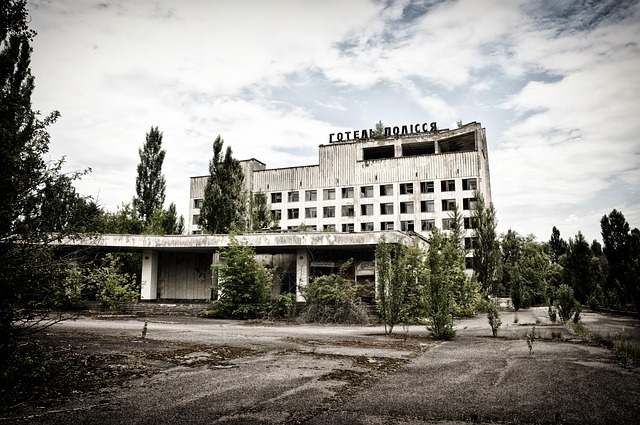
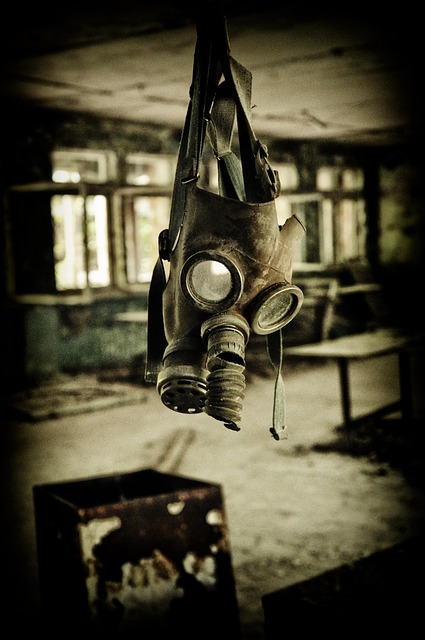
The evacuation of Pripyat provides some of the series’ most heartbreaking moments. Families were told they would be gone for just a few days and to leave their belongings behind. The trailer captures the eerie beauty of the abandoned city, with its empty amusement park and overgrown buildings serving as a monument to human folly and resilience.
Practical Tips
**Tip 1: Understanding Radiation Effects** – The series provides an excellent education in radiation sickness and its effects on the human body. Pay attention to how the show visualizes the invisible killer of radiation through practical effects and makeup. The progression of acute radiation syndrome is shown in medically accurate detail, helping viewers understand why this disaster was so uniquely horrifying. The show demonstrates how radiation doesn’t just kill quickly but destroys the body from the inside out, making recovery impossible once certain exposure levels are reached.
**Tip 2: Recognizing Institutional Failure** – Watch for the patterns of denial and blame-shifting that characterize the Soviet response to the disaster. The series shows how bureaucratic systems can amplify individual mistakes into catastrophic failures. Notice how characters who try to tell the truth are silenced or marginalized, while those who maintain the official fiction are promoted. This aspect of the show serves as a warning about the dangers of prioritizing appearance over reality in any organization.
**Tip 3: Appreciating Scientific Method** – The series demonstrates the importance of empirical evidence and honest inquiry in understanding complex problems. Legasov’s scientific approach stands in stark contrast to the political maneuvering around him. Watch how he uses observation, hypothesis, and testing to uncover the truth about what happened. The show illustrates why scientific integrity is essential, especially when dealing with technologies that can affect millions of lives.
**Tip 4: Learning from Historical Parallels** – While Chernobyl is specifically about a nuclear disaster in 1986, its themes are timeless. The series shows how prideful denial of problems can turn manageable issues into catastrophes. Consider how these lessons apply to other historical events and contemporary challenges. The show’s exploration of truth versus convenient fiction remains relevant in any era where powerful institutions might be tempted to hide inconvenient realities.
**Tip 5: Understanding Heroism** – The series redefines heroism not as dramatic action movie gestures but as ordinary people doing extraordinary things despite terrible personal cost. The real heroes of Chernobyl were often unglamorous workers who understood the consequences of their actions but chose to act anyway. Watch for these quiet moments of courage that may not seem dramatic but literally saved Europe from an even worse catastrophe.
Important Considerations
When watching Chernobyl, it’s important to remember that while the series strives for accuracy, some dramatic liberties were taken for storytelling purposes. The character of Ulana Khomyuk, for instance, represents many different scientists rather than a single person. Some timelines were compressed, and certain conversations were imagined rather than documented. However, these changes don’t diminish the essential truth of what the series presents about the disaster and its aftermath.
The show’s graphic depiction of radiation sickness and its effects can be disturbing for sensitive viewers. The creators chose to show these effects honestly rather than sanitizing them, believing that the full horror of radiation exposure needed to be understood. This unflinching approach serves the story’s themes about the cost of lies and the importance of facing difficult truths, but viewers should be prepared for some genuinely difficult scenes.
It’s also worth noting that the series, while critical of Soviet institutions, doesn’t present the disaster as uniquely Soviet problem. The themes of institutional denial, prideful resistance to admitting mistakes, and the willingness to sacrifice truth for convenience are universal human tendencies that can emerge in any system under pressure.
Conclusion
The HBO Chernobyl series stands as a masterpiece of historical drama that manages to be both educational and deeply moving. Through its meticulous attention to detail, powerful performances, and unflinching examination of one of history’s worst disasters, the series offers viewers more than just entertainment – it provides crucial lessons about truth, courage, and the price of lies. The 2019 trailer perfectly captures the series’ blend of scientific rigor and human drama, promising viewers an experience that will both inform and profoundly affect them.
Whether you’re interested in nuclear science, Soviet history, or simply compelling storytelling, Chernobyl delivers on all fronts. The series reminds us that even in the darkest moments of human failure, individual acts of courage and sacrifice can prevent even greater tragedies. It’s a story that needed to be told with the honesty and respect that HBO’s production provides, ensuring that the lessons of Chernobyl will not be forgotten by future generations.