

Crude Oil Prices Today: A Complete Guide to Investing and Building Passive Income in the Energy Sector
The global energy market remains one of the most dynamic and potentially lucrative arenas for investors seeking both growth and passive income. Crude oil, often referred to as “black gold,” continues to serve as the backbone of the global economy, influencing everything from transportation costs to consumer goods pricing. Understanding crude oil prices today and how to position yourself strategically can unlock powerful wealth-building opportunities that many investors overlook.
As of early 2026, crude oil prices have been shaped by a complex interplay of geopolitical tensions, OPEC+ production decisions, global demand shifts, and the ongoing energy transition. Whether you are a seasoned investor or just beginning to explore the energy sector, this guide will walk you through everything you need to know about crude oil investing, practical strategies for generating passive income, and how to navigate the volatility that defines this market.
Understanding Crude Oil Prices: What Drives the Market
Crude oil prices are determined by supply and demand dynamics on a global scale. Two primary benchmarks dominate the market: West Texas Intermediate (WTI), which serves as the U.S. benchmark, and Brent Crude, the international standard. These benchmarks fluctuate daily based on a wide range of factors that every investor should understand before committing capital.
Supply-Side Factors
OPEC+, the alliance of major oil-producing nations led by Saudi Arabia and Russia, plays a decisive role in global oil supply. Their production quotas directly influence how much crude oil reaches the market. When OPEC+ cuts production, prices tend to rise due to reduced supply. Conversely, when they increase output, prices often fall. In recent months, OPEC+ has maintained a cautious approach, balancing the need for revenue with the desire to keep prices stable enough to sustain long-term demand.
U.S. shale production is another critical factor. The United States has become one of the world’s largest oil producers, thanks to advances in hydraulic fracturing and horizontal drilling technology. Changes in U.S. rig counts and production levels can have a significant impact on global supply and, consequently, on crude oil prices.
Demand-Side Factors
Global economic growth is the primary driver of oil demand. When economies expand, industrial activity increases, transportation needs grow, and energy consumption rises. China and India, as the world’s two most populous nations, are particularly important demand centers. Any slowdown in these economies can put downward pressure on crude oil prices, while strong growth typically supports higher prices.
The energy transition also plays an increasingly important role. As electric vehicles gain market share and renewable energy sources become more competitive, some analysts predict long-term structural decline in oil demand. However, this transition is gradual, and crude oil is expected to remain a critical energy source for decades to come, particularly in developing nations and heavy industries like aviation, shipping, and petrochemicals.
Geopolitical Risks
Geopolitical events can cause sudden and dramatic price swings. Conflicts in oil-producing regions, sanctions on major exporters, and diplomatic tensions between key players can all disrupt supply chains and send prices soaring. The Middle East, which holds a significant share of global proven reserves, remains a focal point for geopolitical risk in the oil market.
Current State of Crude Oil Prices

As we move through 2026, crude oil prices reflect a market in transition. Several key themes are shaping the current price environment. Global demand has shown resilience despite concerns about economic slowdowns in certain regions. Meanwhile, supply discipline from OPEC+ has provided a floor for prices, preventing the kind of dramatic crashes seen in previous downturns.
Inventory levels, both in the U.S. and globally, serve as important indicators of market balance. When inventories build, it signals oversupply and tends to weigh on prices. When inventories draw down, it suggests strong demand relative to supply and supports higher prices. Tracking weekly reports from the U.S. Energy Information Administration (EIA) and the American Petroleum Institute (API) is essential for staying informed about these trends.
The U.S. dollar also has an inverse relationship with crude oil prices. Since oil is priced in dollars globally, a stronger dollar makes oil more expensive for buyers using other currencies, which can dampen demand and push prices lower. Conversely, a weaker dollar tends to support higher oil prices.
Investment Strategies for Crude Oil
There are multiple ways to gain exposure to crude oil as an investor. Each approach carries its own risk-reward profile, and the best choice depends on your investment goals, risk tolerance, and time horizon.
Direct Investment Through Futures Contracts
Crude oil futures are standardized contracts traded on exchanges like the New York Mercantile Exchange (NYMEX) and the Intercontinental Exchange (ICE). These contracts allow you to buy or sell a specific quantity of oil at a predetermined price on a future date. While futures can offer significant returns, they are highly leveraged instruments that carry substantial risk. Price swings of several percent in a single day are common, and losses can exceed your initial investment.
Futures trading is generally best suited for experienced investors and traders who have a deep understanding of the oil market and are comfortable managing leverage. For most passive income seekers, other approaches offer a better risk-adjusted return.
Oil ETFs and ETNs
Exchange-traded funds (ETFs) and exchange-traded notes (ETNs) provide a more accessible way to invest in crude oil. Popular options include funds that track oil prices directly, such as those linked to WTI futures, as well as funds that hold baskets of oil and energy company stocks. Oil ETFs trade like regular stocks on major exchanges, making them easy to buy and sell through any standard brokerage account.
One important consideration with commodity-linked ETFs is the concept of contango, where futures prices for later delivery dates are higher than spot prices. This can create a drag on returns over time as the fund rolls expiring contracts into more expensive ones. Investors should carefully review the structure and methodology of any oil ETF before investing.
Energy Sector Stocks
Investing in individual energy companies is one of the most popular ways to gain exposure to crude oil while also building a stream of passive income through dividends. The energy sector includes a wide range of companies across the value chain.
**Integrated Oil Majors** like ExxonMobil, Chevron, Shell, and BP operate across exploration, production, refining, and retail. These companies tend to be large, diversified, and financially stable, making them popular choices for dividend-focused investors.
**Exploration and Production (E&P) Companies** are more directly tied to crude oil prices. When prices rise, their profits can surge, but they also face greater downside risk during price declines. Companies in this segment can offer higher growth potential but typically come with more volatility.
**Oilfield Services Companies** like Schlumberger, Halliburton, and Baker Hughes provide the equipment, technology, and services that oil producers need to extract crude. These companies benefit from increased drilling activity and capital spending in the energy sector.
Dividend Investing in Oil Stocks for Passive Income
Dividend-paying oil stocks represent one of the most reliable pathways to passive income in the energy sector. Many major oil companies have long histories of paying and increasing their dividends, even through periods of price volatility.
When evaluating oil stocks for dividend income, consider the following factors:
– **Dividend Yield**: The annual dividend payment as a percentage of the stock price. Yields in the energy sector often range from 3% to 7%, which is significantly higher than many other sectors.
– **Payout Ratio**: The percentage of earnings paid out as dividends. A lower payout ratio suggests the dividend is more sustainable and leaves room for future increases.
– **Free Cash Flow**: Companies that generate strong free cash flow are better positioned to maintain and grow their dividends, even during periods of lower oil prices.
– **Debt Levels**: Excessive debt can threaten dividend sustainability, especially when revenues decline during price downturns.
– **Dividend Growth History**: Companies with a track record of consistently raising their dividends demonstrate financial discipline and shareholder-friendly management.
Master Limited Partnerships (MLPs)
MLPs are a unique investment structure commonly found in the energy sector. These publicly traded partnerships own and operate midstream assets like pipelines, storage facilities, and processing plants. Because they distribute most of their income to unitholders, MLPs often offer attractive yields that can exceed those of traditional dividend stocks.
The midstream segment is particularly appealing for passive income investors because pipeline revenues are typically based on long-term, fee-based contracts rather than commodity prices. This provides a degree of stability that upstream producers do not enjoy. However, MLPs come with complex tax implications, including K-1 forms instead of standard 1099 dividend statements, so it is important to understand the tax treatment before investing.
Real Estate Investment Trusts (REITs) in Energy
While not a direct oil investment, certain REITs focus on energy infrastructure, including land used for drilling operations, pipeline rights-of-way, and energy-related industrial properties. These REITs can provide diversified exposure to the energy sector while delivering the consistent income distributions that REITs are known for.
Practical Tips for Building Passive Income with Oil Investments

Tip 1: Diversify Across the Energy Value Chain
Do not concentrate all your energy investments in a single segment. By spreading your capital across upstream producers, midstream pipeline operators, and downstream refiners, you can reduce the impact of any single company or subsector underperforming. Diversification is especially important in the volatile oil market, where prices can swing dramatically based on factors outside any single company’s control.
Tip 2: Reinvest Dividends Through DRIPs
Dividend reinvestment plans (DRIPs) allow you to automatically reinvest your dividend payments into additional shares of the same stock. Over time, this creates a compounding effect that can significantly accelerate your wealth building. Many brokerages offer commission-free DRIPs, making this an efficient way to grow your passive income stream without any additional effort.
Tip 3: Use Dollar-Cost Averaging
Rather than trying to time the market and buy oil stocks at the perfect moment, consider investing a fixed amount at regular intervals. Dollar-cost averaging smooths out the impact of price volatility and removes the emotional component from your investment decisions. This approach is particularly effective in the oil market, where short-term price movements can be unpredictable.
Tip 4: Monitor Key Economic Indicators
Stay informed about the factors that drive oil prices. Weekly EIA inventory reports, monthly OPEC production data, U.S. jobs reports, and manufacturing PMI data all provide valuable insights into the direction of oil prices. While you do not need to become a full-time market analyst, having a basic understanding of these indicators will help you make more informed investment decisions.
Tip 5: Set Realistic Expectations and Manage Risk
Oil investments can be volatile, and prices can remain depressed for extended periods. Set realistic return expectations and never invest more than you can afford to lose. Use position sizing to manage risk, and consider setting stop-loss orders to limit potential downside. A well-structured portfolio should be able to weather oil price downturns without jeopardizing your overall financial health.
Tip 6: Consider Tax-Advantaged Accounts
Holding dividend-paying oil stocks and MLPs in tax-advantaged accounts like IRAs or 401(k)s can help minimize the tax impact of your passive income. However, be aware that MLP income in an IRA can trigger Unrelated Business Taxable Income (UBTI) if it exceeds certain thresholds. Consult with a tax professional to optimize your strategy.
Building a Sample Oil Investment Portfolio for Passive Income
Here is an example of how you might structure a diversified oil investment portfolio focused on generating passive income:
Core Holdings (60% of Portfolio)
– Two to three integrated oil majors with strong dividend histories
– One to two large-cap midstream pipeline companies or MLPs
– One energy-focused ETF for broad sector diversification
Growth Holdings (25% of Portfolio)
– Two to three well-capitalized E&P companies with rising production profiles
– One oilfield services company positioned to benefit from increased drilling activity
Opportunistic Holdings (15% of Portfolio)
– Smaller E&P companies with significant upside potential
– International energy companies with exposure to growing markets
– Energy infrastructure REITs for additional income diversification
This allocation provides a balance of current income from dividends and distributions, growth potential from production increases and higher oil prices, and diversification across the energy value chain.
The Long-Term Outlook for Crude Oil
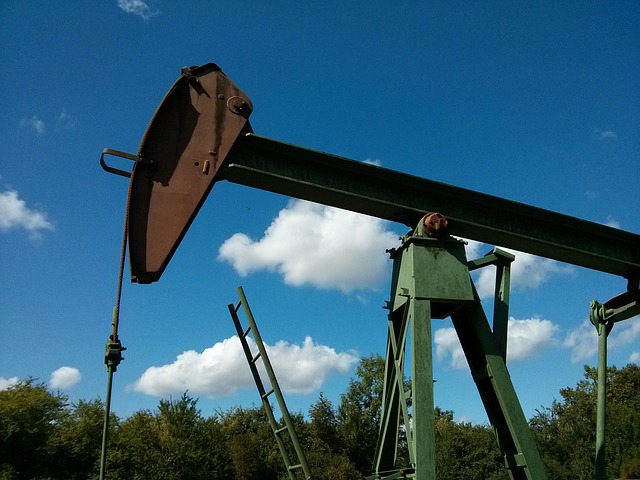
Despite the growing adoption of renewable energy and electric vehicles, crude oil is expected to remain a critical part of the global energy mix for decades. The International Energy Agency projects that oil demand will continue to grow in developing nations even as it plateaus or declines in developed markets. Petrochemicals, aviation fuel, and industrial applications will continue to require significant volumes of crude oil regardless of how quickly the passenger vehicle fleet electrifies.
For investors, this means the energy sector will continue to offer meaningful opportunities for both growth and income. The key is to remain flexible, stay informed about market developments, and maintain a disciplined approach to portfolio construction and risk management.
Conclusion
Crude oil prices today reflect a market shaped by competing forces of geopolitical risk, supply discipline, demand uncertainty, and the long-term energy transition. For investors willing to navigate this complexity, the energy sector offers compelling opportunities to build wealth and generate passive income through dividends, distributions, and capital appreciation.
The most successful oil investors combine a solid understanding of market fundamentals with disciplined portfolio management. By diversifying across the energy value chain, reinvesting dividends, using dollar-cost averaging, and monitoring key economic indicators, you can position yourself to benefit from both the short-term volatility and long-term growth potential of crude oil.
Whether you choose to invest through individual stocks, ETFs, MLPs, or a combination of these vehicles, the most important step is to begin. Start with a well-researched allocation that matches your risk tolerance and income goals, stay informed about the factors driving oil prices, and let the power of compounding work in your favor over time. The energy sector has created generational wealth for patient, disciplined investors, and with the right approach, it can do the same for you.