

Live Rocket Launch Views: SpaceX Falcon & Starship Today
Live rocket launches represent one of the most thrilling spectacles in modern space exploration, offering viewers around the world unprecedented access to humanity’s journey beyond Earth. Whether you’re watching a SpaceX Falcon 9 deliver satellites to orbit or witnessing the massive Starship system undergo testing, live launch views have transformed how we experience space exploration. The ability to watch these events in real-time from launch pads at Cape Canaveral, Vandenberg Space Force Base, or SpaceX’s Starbase facility in Texas has made space more accessible than ever before. Understanding how to find, watch, and appreciate these live launches enhances the experience and connects you to the cutting edge of aerospace technology.
Understanding the Basics
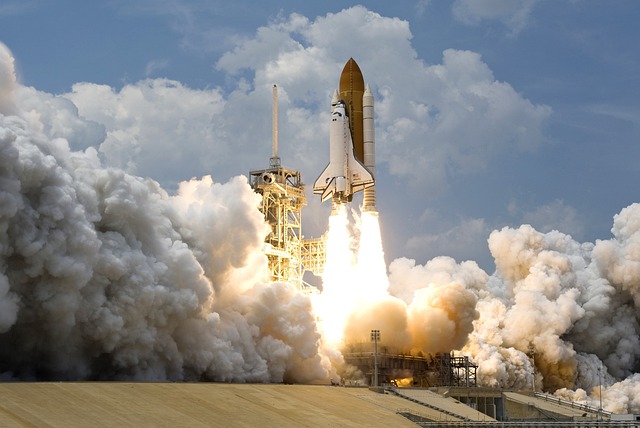
Live rocket launch viewing has evolved dramatically over the past decade, primarily driven by SpaceX’s commitment to transparency and public engagement. When we talk about live launch views, we’re referring to real-time video feeds broadcast from cameras positioned at various locations around the launch pad, on the rocket itself, and sometimes on drone ships waiting in the ocean to recover boosters. These multi-angle perspectives provide viewers with an immersive experience that was once reserved only for those physically present at the launch site.
The technology behind these live streams is remarkably sophisticated. High-definition cameras equipped with special lenses capable of withstanding the intense heat, vibration, and acoustic energy of a rocket launch are strategically placed to capture every moment. Some cameras are mounted on the launch tower itself, others on the rocket’s exterior, and additional feeds come from chase planes and distant observation points. The coordination required to switch between these feeds seamlessly while providing real-time telemetry data, altitude readings, velocity measurements, and mission timeline updates creates a comprehensive viewing experience.
SpaceX has pioneered this approach, streaming nearly every launch on their official website, YouTube channel, and X (formerly Twitter) platform. Their webcasts typically begin 15-20 minutes before liftoff, providing pre-launch commentary that explains the mission objectives, payload details, weather conditions, and any technical considerations. The Falcon 9 and Falcon Heavy rockets have become workhorses of commercial spaceflight, while Starship represents the next generation of fully reusable heavy-lift vehicles designed for missions to the Moon, Mars, and beyond. Each launch type offers unique viewing opportunities, from the routine yet impressive satellite deployments to the experimental test flights pushing the boundaries of what’s possible.
Key Methods
Step 1: Finding Official Launch Schedules and Streams
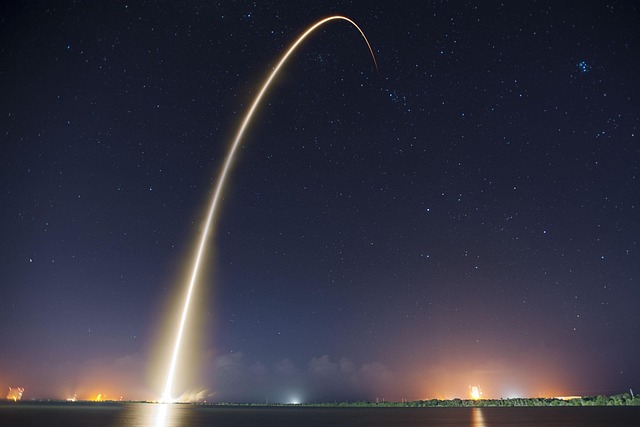
The first step in watching live rocket launches is knowing when and where they’re happening. SpaceX maintains an official launch schedule on their website (spacex.com), which lists upcoming missions with target dates and times. However, space launches are subject to frequent delays due to weather conditions, technical issues, or range conflicts, so flexibility is essential. Following SpaceX’s official social media accounts on X and subscribing to their YouTube channel ensures you receive notifications when launches are confirmed or rescheduled.
Step 2: Accessing Multiple Camera Angles and Enhanced Views
Once you’ve identified a launch to watch, maximizing your viewing experience involves accessing multiple camera feeds simultaneously. SpaceX’s official webcast provides the primary view, but enhanced experiences come from combining various sources. Websites like Everyday Astronaut (operated by space journalist Tim Dodd) often provide independent live streams with expert commentary, alternative camera angles, and more detailed technical analysis than official broadcasts. These independent streams are particularly valuable during Starship test flights, where multiple cameras positioned around the Starbase facility in Boca Chica, Texas, capture different perspectives of these massive vehicles.
For truly dedicated viewers, setting up multiple screens or windows to display different feeds simultaneously creates an immersive experience. You might have the official SpaceX webcast on one screen showing telemetry data and primary camera views, a ground-based camera feed from LabPadre or NASaSpaceFlight showing the launch pad from a distance, and a drone camera providing aerial perspectives. This multi-feed approach is especially rewarding during Falcon 9 landings, where you can watch the first stage separate, flip around, and descend back to Earth on one screen while the second stage continues to orbit on another. The synchronized timing between these different perspectives provides a deeper understanding of the complex choreography involved in modern rocket launches.
Step 3: Understanding Launch Terminology and Key Moments
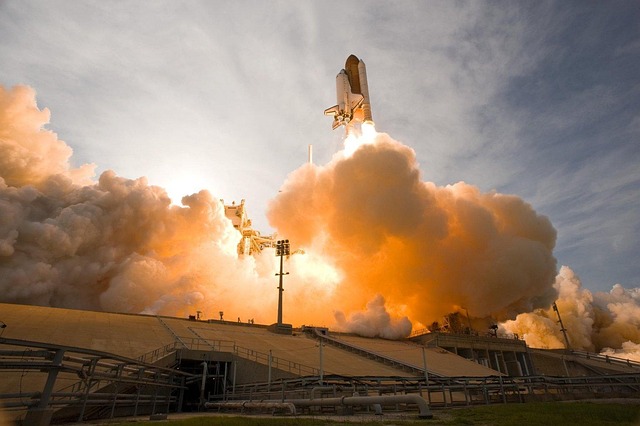
The launch countdown typically begins at T-minus 38 minutes for Falcon 9 missions, when the automated launch sequence starts. Key events to watch include propellant loading (which begins about 35 minutes before launch), when supercooled liquid oxygen and rocket-grade kerosene fill the rocket’s tanks. The final moments before liftoff are particularly thrilling: at T-minus 3 seconds, the nine Merlin engines ignite, and computers verify that all systems are functioning correctly before the hold-down clamps release. For Starship launches, the sequence differs slightly, with 33 Raptor engines on the Super Heavy booster creating an unprecedented spectacle of fire and power. Post-launch, watching for stage separation, booster flip maneuvers, and the landing burn provides continuous excitement. Understanding these phases transforms passive viewing into active engagement with one of humanity’s most impressive technological achievements.
Practical Tips
**Tip 1: Optimize Your Internet Connection and Viewing Setup**
High-quality live streams require stable internet connections, especially when viewing in 4K or HD. Before a launch, close unnecessary browser tabs and applications that might consume bandwidth. If possible, use a wired ethernet connection rather than Wi-Fi to minimize buffering and interruptions during critical moments. For mobile viewing, ensure you have strong signal strength or connect to reliable Wi-Fi. Many viewers prefer casting streams to large-screen TVs using Chromecast, Apple TV, or smart TV apps for a more immersive experience. Testing your setup an hour before launch ensures you won’t miss the moment due to technical difficulties. Consider having a backup viewing option ready, such as a mobile device with cellular data, in case your primary internet connection fails.
**Tip 2: Join Live Chat Communities for Enhanced Engagement**
**Tip 3: Learn to Identify Visual Cues and Anomalies**
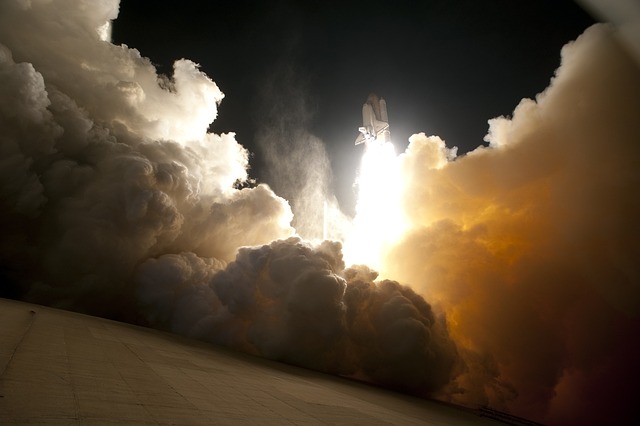
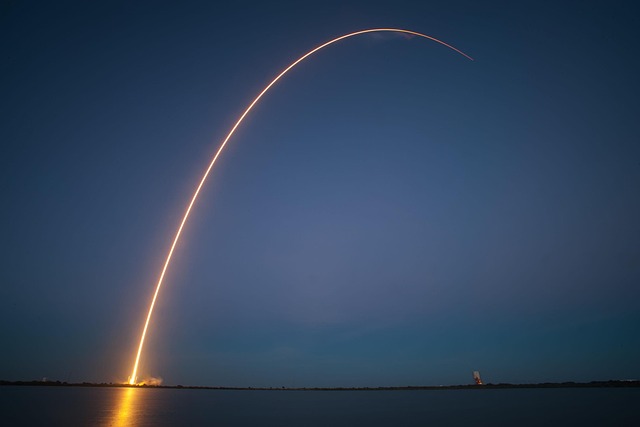
Experienced launch viewers can identify important events and potential issues by watching for specific visual cues. The ice formation on the outside of the rocket before launch indicates proper propellant loading. The distinct shock diamonds visible in rocket exhaust plumes reveal information about engine performance and atmospheric pressure. During night launches, the twilight phenomenon creates spectacular light shows as the rocket climbs into sunlight while ground observers remain in darkness. Learning to spot these details makes each viewing more educational. Additionally, understanding what normal operations look like helps you recognize anomalies—unusual engine shutdowns, off-nominal trajectories, or unexpected stage separation timings that might indicate problems requiring mission controllers to make critical decisions.
**Tip 4: Capture and Share Your Viewing Experience**
Many viewers enjoy recording their favorite launch moments or taking screenshots of particularly beautiful scenes, such as booster landing burns against twilight skies or the spectacular visuals of Starship’s Raptor engines firing. Most streaming platforms allow pausing and rewinding live streams (with slight delays), enabling you to capture perfect moments. However, remember that unofficial redistribution of copyrighted content may violate terms of service, so focus on personal archiving or sharing through official platform sharing features. Social media becomes particularly active during launches, with hashtags like #SpaceX, #Falcon9, or #Starship trending during major missions. Sharing your excitement and perspectives contributes to the broader community of space enthusiasts and helps spread interest in space exploration to new audiences.
**Tip 5: Explore Virtual and Augmented Reality Launch Experiences**
As technology advances, some launches now offer virtual reality viewing options that place you virtually at the launch pad or even inside the rocket itself. While these experiences are still developing, they represent the future of launch viewing. SpaceX and other companies have experimented with 360-degree camera views that allow viewers to look around the launch pad environment during broadcasts. Third-party applications sometimes create augmented reality experiences that overlay launch trajectory information onto real-world views. Exploring these emerging technologies provides glimpses into how future generations might experience space launches, potentially including virtual presence during crewed missions to Mars or lunar bases. Staying informed about these innovations ensures you’re always experiencing launches in the most immersive ways available.
Important Considerations
While watching live rocket launches is generally straightforward, several considerations ensure you get the most from each viewing while maintaining realistic expectations. Launch schedules are notoriously fluid, with delays occurring frequently due to weather, technical issues, or range conflicts with other aerospace activities. Weather constraints are particularly strict for launches—even conditions that seem minor to casual observers, such as high-altitude winds or moderate ground winds, can scrub a launch. For Falcon 9 missions with drone ship landings, ocean conditions at the recovery location hundreds of miles offshore also factor into go/no-go decisions. Developing patience and flexibility regarding launch times prevents disappointment when inevitable delays occur.
Time zones can be challenging, especially for viewers watching from different parts of the world. Many launches from Cape Canaveral occur during evening or late-night hours in the United States, which translates to early morning viewing for European audiences or midday for Asian viewers. Planning your schedule around important launches, particularly crewed missions or first-time test flights, might require adjusting sleep schedules or taking breaks from work. However, the convenience of recorded broadcasts means you can always watch later if live viewing isn’t feasible—though the excitement of watching history unfold in real-time offers unique value.
Technical literacy enhances appreciation but isn’t required for enjoyment. While understanding orbital mechanics, rocket physics, and mission profiles deepens your engagement, casual viewers can still appreciate the visual spectacle and human achievement represented by each launch. Don’t feel intimidated by complex terminology in chat forums or expert commentary; every space enthusiast started as a beginner, and the community generally welcomes questions and newcomers eager to learn.
Conclusion
Live rocket launch viewing has democratized access to space exploration, transforming it from an exclusive experience for those near launch sites into a global phenomenon accessible to anyone with an internet connection. SpaceX’s commitment to transparency and their impressive launch cadence—often exceeding 100 missions per year—means regular opportunities to witness these incredible events. Whether you’re watching a routine Starlink deployment, a critical satellite launch for commercial or government customers, or experimental test flights of next-generation vehicles like Starship, each launch represents human ingenuity pushing the boundaries of what’s possible.
Remember that every launch, no matter how routine it may seem, represents years of engineering work, countless hours of preparation, and the coordination of thousands of individuals working toward shared goals. The ability to watch these events live connects you to humanity’s ongoing journey to become a multi-planetary species. Whether you’re watching alone on a mobile device or hosting launch parties with friends and family, you’re participating in a historic era of space exploration that future generations will look back on as the moment when space became truly accessible. Keep watching, keep learning, and let each launch inspire you about the possibilities that lie ahead as we continue reaching for the stars.