
# SpaceX’s $17B EchoStar Deal: What It Means for Space Tech
SpaceX’s recent acquisition talks with EchoStar for a staggering $17 billion represents one of the most significant developments in the commercial space industry. This potential deal signals a major shift in how satellite communications and space technology companies are consolidating to dominate the next era of global connectivity.
## Understanding the Basics
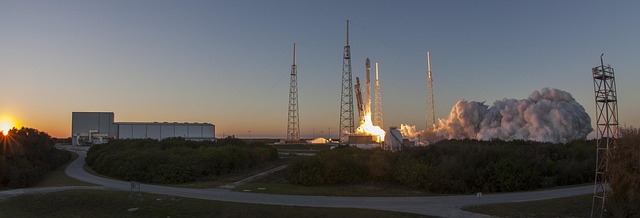
The proposed acquisition between SpaceX and EchoStar combines two powerhouses in satellite technology. SpaceX, founded by Elon Musk, has revolutionized space travel with reusable rockets and its Starlink satellite constellation providing global internet coverage. EchoStar, a veteran in the satellite communications industry, brings decades of experience in satellite TV services and valuable spectrum assets that are crucial for wireless communications.
This merger would give SpaceX immediate access to EchoStar’s extensive S-band spectrum holdings, which are essential for mobile satellite services. The spectrum alone is valued at several billion dollars and would allow SpaceX to expand Starlink’s capabilities beyond fixed broadband to mobile communications. Additionally, EchoStar’s DISH Network subsidiary operates one of America’s largest satellite TV services with millions of subscribers, providing SpaceX with an established customer base and distribution network.
The timing of this deal is particularly strategic as the space economy is projected to exceed $1 trillion by 2040. By acquiring EchoStar, SpaceX would position itself as a vertically integrated space services company, controlling everything from launch vehicles to satellite manufacturing to end-user services. This integration could dramatically reduce costs and accelerate the deployment of next-generation satellite services.
## Key Methods
### Step 1: Spectrum Consolidation Strategy
The first critical component of this acquisition centers on spectrum consolidation. EchoStar’s S-band spectrum is particularly valuable for SpaceX’s ambitions to create a unified satellite communication network. This spectrum operates at frequencies ideal for mobile communications and can penetrate buildings better than higher frequency bands. SpaceX would gain immediate regulatory approval to use these frequencies, bypassing years of bureaucratic processes.
### Step 2: Infrastructure Integration
The second phase involves integrating EchoStar’s ground infrastructure with SpaceX’s satellite network. EchoStar operates numerous ground stations, uplink facilities, and data centers across North America. These facilities would immediately enhance Starlink’s terrestrial capabilities, reducing latency and improving service reliability.
SpaceX would also inherit EchoStar’s relationships with content providers and broadcasters, potentially enabling Starlink to offer comprehensive entertainment packages alongside internet services. This positions SpaceX to compete directly with traditional cable and telecommunications companies. The integration would create significant operational synergies, potentially saving billions in infrastructure development costs that SpaceX would otherwise need to build from scratch.
### Step 3: Market Expansion Acceleration
The third strategic element focuses on rapid market expansion. EchoStar’s existing customer relationships and sales channels would provide SpaceX with immediate access to millions of potential Starlink customers. This includes both residential and enterprise clients who already trust the EchoStar brand.
SpaceX could leverage EchoStar’s expertise in customer service and billing systems, areas where Starlink has faced growing pains. The combined entity would have the scale to negotiate better deals with equipment manufacturers, reducing the cost of user terminals – currently one of Starlink’s biggest challenges. This acquisition would also provide SpaceX with established relationships with retailers and installers, accelerating Starlink’s deployment in rural and underserved markets where EchoStar already has a strong presence.
## Practical Tips
**Monitor Regulatory Developments**: The deal will require approval from multiple regulatory bodies including the FCC and potentially the Department of Justice. Investors and industry watchers should closely follow these proceedings as regulatory conditions could significantly impact the deal’s value and timeline. Any restrictions on spectrum use or requirements for rural coverage could affect profitability projections.
**Assess Competitive Responses**: Expect aggressive responses from competitors like Amazon’s Project Kuiper, OneWeb, and traditional telecom giants. These companies may accelerate their own satellite initiatives or pursue defensive mergers. Understanding these competitive dynamics will be crucial for predicting market share distribution in the evolving satellite communications landscape.
**Evaluate Technology Integration Timelines**: The technical integration of two complex satellite systems won’t happen overnight. Realistic timelines suggest 18-24 months for meaningful integration. Stakeholders should prepare for potential service disruptions and temporary inefficiencies during this transition period while maintaining focus on the long-term benefits.
**Consider Supply Chain Implications**: This merger could reshape the satellite manufacturing and launch services market. SpaceX might prioritize its own satellite deployments, potentially affecting launch availability for other customers. Suppliers to both companies should prepare for consolidation of vendor contracts and possible changes in procurement strategies.
**Track Customer Migration Patterns**: Watch how existing EchoStar and DISH customers respond to the transition. Early adoption rates of integrated services will indicate market acceptance and reveal potential challenges in the combined service offering. Customer retention metrics will be critical indicators of integration success.
## Important Considerations
While this deal presents enormous opportunities, several risks deserve careful attention. The massive $17 billion price tag requires SpaceX to either raise significant capital or use stock, potentially diluting existing investors. The debt burden from this acquisition could constrain SpaceX’s ability to fund its Mars ambitions and Starship development program.
Cultural integration poses another challenge. EchoStar’s traditional corporate structure differs vastly from SpaceX’s aggressive, innovation-driven culture. Managing this cultural merger while maintaining both companies’ operational effectiveness will require careful leadership. There’s also the risk of talent exodus if key EchoStar employees don’t align with SpaceX’s demanding work culture.
Regulatory scrutiny will be intense. Authorities may impose conditions requiring rural coverage commitments or preventing anti-competitive practices. International regulators might also intervene, particularly in markets where the combined entity would have dominant positions. Any regulatory delays could erode the deal’s strategic value as competitors advance their own initiatives.
## Conclusion
SpaceX’s potential $17 billion acquisition of EchoStar represents a watershed moment for the space industry. By combining SpaceX’s revolutionary launch capabilities and Starlink constellation with EchoStar’s spectrum assets and established market presence, this deal could create the world’s first truly integrated space-to-Earth communications company.
The success of this merger will likely determine whether the future of global communications lies with traditional terrestrial networks or space-based systems. If SpaceX can successfully integrate EchoStar’s assets while maintaining its innovation velocity, it could establish an insurmountable lead in the race to connect the planet. This deal isn’t just about buying spectrum or customers – it’s about Elon Musk’s vision to create the infrastructure necessary for making humanity a multi-planetary species while revolutionizing Earth’s communications along the way.
For investors, technology enthusiasts, and industry professionals, this acquisition signals that the space economy has matured beyond experimental ventures to become a fundamental part of global infrastructure. The coming months will reveal whether this bold $17 billion bet pays off, potentially setting the template for future space industry consolidation.