
Stockholm Travel Guide: Perfect 3-Day Itinerary for Sweden’s Capital
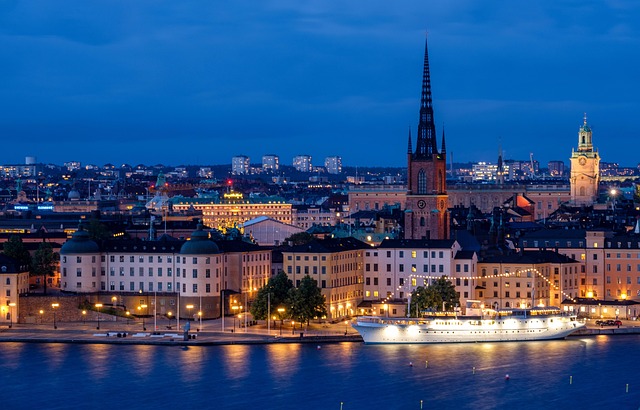
Stockholm is an extraordinary destination that captivates travelers with its unique blend of historic charm and modern Scandinavian design. As the capital of Sweden, this stunning city is spread across 14 islands connected by over 50 bridges, where medieval architecture meets contemporary innovation. Whether you’re planning your first visit or returning to explore deeper, understanding how to spend your days in Stockholm efficiently will transform your experience from ordinary to unforgettable.
Understanding the Basics
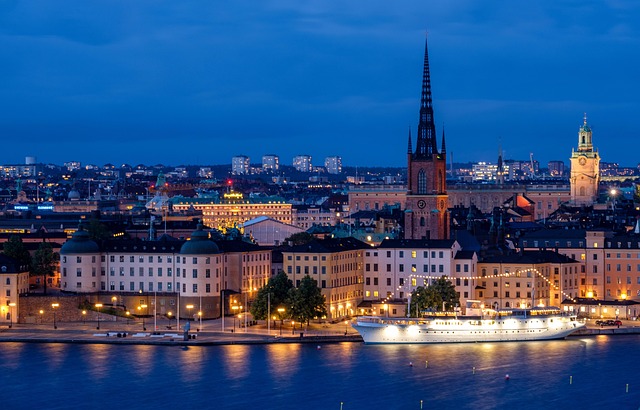
Stockholm offers a remarkable diversity of experiences that cater to every type of traveler. The city’s geography is truly unique – built on an archipelago where Lake Mälaren meets the Baltic Sea, creating a stunning waterscape that defines the city’s character. The best time to visit Stockholm is during the summer months (June to August) when the weather is pleasant and the famous Midnight Sun provides nearly 18 hours of daylight, allowing you to maximize your sightseeing time.
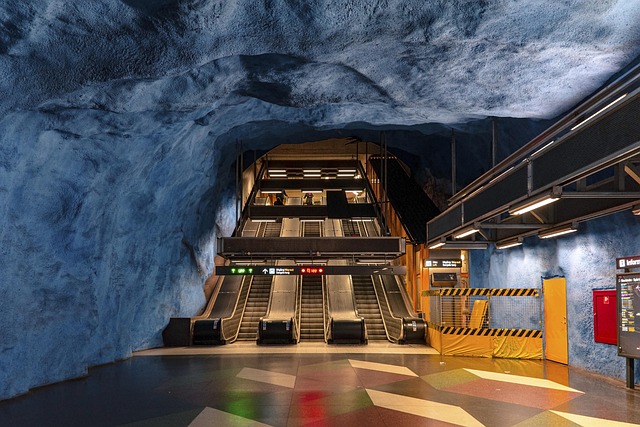
However, winter visits (December to February) offer their own magic, with Christmas markets, the possibility of snow-covered landscapes, and the cozy Swedish tradition of “fika” – coffee and pastries enjoyed in warm cafes. The city’s public transportation system is exceptionally efficient, with the Tunnelbana (metro) being not just functional but also an art gallery in itself, with many stations featuring stunning artistic installations.
Stockholm is known for being expensive, so budget-conscious travelers should plan accordingly. A Stockholm Pass can provide excellent value, offering free entry to over 60 attractions and free public transportation. The city is also incredibly walkable, especially in the historic Gamla Stan (Old Town) district, where narrow cobblestone streets wind between colorful 17th and 18th-century buildings. English is widely spoken, making communication easy for international visitors, and the city is remarkably safe, clean, and well-organized.
Key Methods
Step 1: Day One – Explore Gamla Stan and Royal Heritage
Begin your Stockholm adventure in Gamla Stan, the city’s historic heart and one of Europe’s best-preserved medieval city centers. Start early at Stortorget, the main square surrounded by colorful merchant houses, where you can grab breakfast at one of the charming cafes. This square was the site of the Stockholm Bloodbath in 1520, adding historical gravitas to its beauty.

Visit the Royal Palace (Kungliga Slottet), one of the largest palaces in Europe with over 600 rooms. Time your visit to witness the Changing of the Guard ceremony, which occurs daily at 12:15 PM. Inside, explore the Royal Apartments, the Treasury with Sweden’s crown jewels, and the fascinating Museum Tre Kronor, which reveals the medieval palace that once stood here.
Spend your afternoon wandering the narrow alleyways of Gamla Stan, discovering hidden courtyards, artisan shops, and the narrowest alley in Stockholm – Mårten Trotzigs Gränd, just 90 centimeters wide. Don’t miss the Nobel Prize Museum to learn about Alfred Nobel and the prestigious awards. End your day with dinner at one of Gamla Stan’s traditional Swedish restaurants, trying classic dishes like köttbullar (meatballs) or gravlax (cured salmon).
Step 2: Day Two – Museum Island and Modern Stockholm
Dedicate your second day to Djurgården, Stockholm’s museum island and green oasis. Start at the Vasa Museum, home to the only almost fully intact 17th-century ship in the world. The Vasa warship sank on its maiden voyage in 1628 and was salvaged 333 years later. The museum is extraordinary, offering multiple levels to view this massive vessel and understand 17th-century naval warfare and Swedish history.
Next, visit either the ABBA Museum for pop culture enthusiasts or Skansen, the world’s oldest open-air museum. Skansen showcases Swedish life through the centuries with historic buildings, craftspeople demonstrating traditional skills, and a zoo featuring Nordic animals like moose, bears, and wolves. If traveling with children, Skansen is particularly magical.
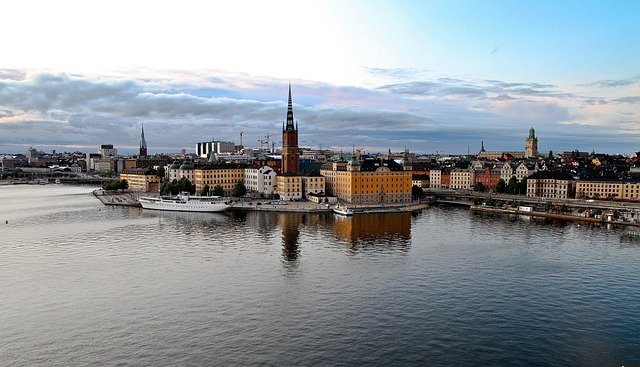
In the afternoon, explore modern Stockholm by visiting the trendy Södermalm district. This area has transformed from working-class neighborhood to hipster haven, filled with vintage shops, independent boutiques, rooftop bars, and excellent restaurants. Walk along Götgatan, the main street, and make your way to Monteliuskvägen, a cliff-top walking path offering spectacular panoramic views of Stockholm’s skyline, especially beautiful at sunset.
Step 3: Day Three – Island Hopping and Local Experiences
Your final day should embrace Stockholm’s archipelago nature. Take a boat tour through the Stockholm archipelago – thousands of islands scattered across the Baltic Sea. Several companies offer tours ranging from a few hours to full days, allowing you to experience the natural beauty that defines Swedish summer life. Many Stockholmers have summer cottages on these islands, and you’ll understand why when you see the pristine waters, rocky shores, and picturesque red wooden houses.
Alternatively, visit the photogenic district of Östermalm, home to the magnificent Östermalms Saluhall, a beautiful 19th-century market hall where you can sample Swedish delicacies, artisanal cheeses, fresh seafood, and traditional Swedish husmanskost (home cooking). This is also Stockholm’s most affluent area, with elegant architecture and high-end shopping along Strandvägen boulevard.
If you’re interested in contemporary art and design, visit Fotografiska, one of the world’s largest contemporary photography museums housed in a stunning Art Nouveau building. The museum also features an excellent restaurant with panoramic views. End your Stockholm experience with a sunset walk along Strandvägen or relax in one of the city’s many parks, like Kungsträdgården, reflecting on your Swedish adventure.
Practical Tips
**Tip 1: Master the Public Transportation System** – Invest in a Stockholm travel card for unlimited travel on metro, buses, trams, and ferries. The SL app makes navigation simple, and the metro stations themselves are worth exploring – stations like T-Centralen, Kungsträdgården, and Stadion feature incredible artistic installations. Download the app before arrival and familiarize yourself with the zone system. The city center is Zone A, and most attractions fall within this zone. Remember that Stockholm’s public transportation operates on an honor system with random inspections, so always validate your ticket to avoid hefty fines.
**Tip 2: Embrace the Swedish Fika Culture** – Fika is more than just a coffee break; it’s a cherished Swedish tradition of slowing down to enjoy coffee and pastries with friends or colleagues. Make time for daily fika at local cafes rather than international chains. Try traditional Swedish treats like kanelbullar (cinnamon buns), prinsesstårta (princess cake), or kardemummabulle (cardamom buns). Recommended fika spots include Vete-Katten, a classic Stockholm cafe since 1928, or Café Pascal in Södermalm. This practice embodies the Swedish concept of “lagom” – not too much, not too little, just right – and provides authentic cultural immersion while giving your feet a rest.
**Tip 3: Plan for Seasonal Variations** – Stockholm’s experience varies dramatically by season. Summer (June-August) offers long daylight hours and pleasant weather but brings crowds and higher prices. Consider visiting during shoulder seasons (May or September) for fewer tourists, lower prices, and still-decent weather. Winter visitors should embrace the darkness by seeking out cozy cafes, visiting Christmas markets, and potentially catching the Northern Lights if you venture slightly north. Pack accordingly – summers can be warm (20-25°C) but bring a light jacket for evenings, while winters are cold (-5 to 5°C) requiring proper winter clothing, though the city handles snow efficiently.
**Tip 4: Save Money with Strategic Planning** – Stockholm’s reputation for being expensive is well-earned, but smart travelers can manage costs. Many museums offer free entry on specific evenings or days – research before visiting. The Stockholm Pass provides good value if you plan to visit multiple attractions. Grocery stores like Hemköp or ICA offer affordable meal options compared to restaurants. Take advantage of the “Today’s Lunch” (Dagens Lunch) specials at restaurants, typically offering a main course, salad, bread, and drink for 95-120 SEK – much cheaper than dinner prices. Drinking tap water (which is excellent quality) instead of buying bottled water saves money and is environmentally friendly.
**Tip 5: Respect Swedish Cultural Norms** – Swedes value personal space, punctuality, and quietness in public spaces. Don’t be offended if locals seem reserved – this is cultural, not unfriendliness. Queue properly and wait your turn, as line-cutting is seriously frowned upon. Remove shoes when entering someone’s home. Tipping is not mandatory as service is included, but rounding up or leaving 5-10% for excellent service is appreciated. Learn a few Swedish phrases like “Hej” (hello), “Tack” (thank you), and “Förlåt” (sorry/excuse me) – while most Swedes speak excellent English, they appreciate the effort. Be environmentally conscious, as Swedes take sustainability seriously through extensive recycling and eco-friendly practices.
Important Considerations
Before traveling to Stockholm, several important considerations will enhance your experience and prevent common mistakes. First, understand that Sweden is not in the Eurozone despite being an EU member – the currency is Swedish Krona (SEK), and while many places accept cards (Sweden is moving toward a cashless society), having some cash for small vendors or markets is wise. Most establishments prefer card payments, and contactless payment is ubiquitous.
Weather preparedness is crucial regardless of season. Summer days can be warm, but evenings cool down significantly, especially near water. Layer your clothing and bring a waterproof jacket as rain can occur unexpectedly. Winter visitors should invest in quality cold-weather gear, particularly waterproof boots with good traction for potentially icy sidewalks.
Safety in Stockholm is generally excellent, with low crime rates compared to other major European capitals. However, remain aware of pickpockets in crowded tourist areas like Gamla Stan and the Central Station. Keep valuables secure and be cautious in crowded environments.
Book accommodations well in advance, especially for summer travel or during major events. Stockholm hotels can be expensive, but alternatives like Airbnb, hostels, or hotels in residential neighborhoods (accessible via metro) offer better value. Consider staying in neighborhoods like Södermalm, Kungsholmen, or Vasastan for more authentic experiences at lower prices than central tourist areas.
Conclusion
Stockholm is a city that rewards thoughtful exploration and open-minded travelers willing to embrace Scandinavian culture. Over three days, you’ll discover a destination where medieval history coexists with cutting-edge modernity, where urban sophistication meets natural beauty, and where design, innovation, and tradition create a unique cultural tapestry. The city’s spread across multiple islands means there’s always another neighborhood to explore, another waterfront view to admire, another historic site to uncover.
Beyond the major attractions, Stockholm’s true charm lies in its livability – the clean streets, efficient systems, beautiful design everywhere you look, and the balanced Swedish approach to life. Whether you’re watching the sunset from Monteliuskvägen, exploring the narrow lanes of Gamla Stan, or enjoying fika at a local cafe, you’ll experience why Stockholm consistently ranks among the world’s most livable and visitable cities.
Take these three days as an introduction to Swedish culture and Stockholm’s offerings. You’ll likely leave planning your return visit, perhaps to explore the archipelago more extensively, experience a different season, or simply revisit favorite spots. Stockholm is a city that invites repeated visits, each revealing new layers of this fascinating Scandinavian capital. Enjoy your Swedish adventure, embrace the concept of lagom, and create memories in one of Europe’s most beautiful and well-preserved cities.