
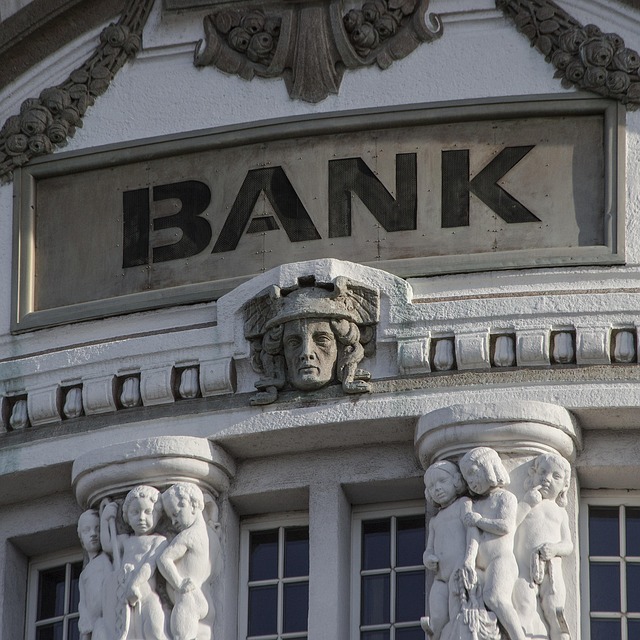
The Banking Crisis Just Got Worse (Defaults Are Rising)
The banking sector is facing one of its most significant challenges in recent years as default rates continue to climb across multiple sectors. This alarming trend has sent shockwaves through financial markets and raised concerns among regulators, investors, and everyday consumers who depend on a stable banking system. Understanding what’s happening in the banking industry right now isn’t just important for financial professionals—it affects everyone who has a bank account, a mortgage, or savings for the future. The rising defaults signal deeper problems in the economy, from commercial real estate struggles to consumer debt reaching unsustainable levels. Banks that seemed rock-solid just months ago are now facing liquidity concerns, and smaller regional banks are particularly vulnerable to this crisis. The situation bears some resemblance to warning signs seen before previous financial downturns, making it crucial for everyone to understand the underlying issues and how they might impact personal finances.
Understanding the Basics
The current banking crisis is fundamentally rooted in several interconnected factors that have created a perfect storm for financial institutions. First, the rapid increase in interest rates over the past two years has dramatically changed the lending landscape. When central banks raised rates to combat inflation, they inadvertently created significant challenges for banks holding long-term, low-interest assets. These institutions are now caught between paying higher rates to depositors while earning lower returns on their existing loan portfolios.
Default rates are rising because borrowers—both individuals and businesses—are struggling to meet their debt obligations in this high-interest environment. Commercial real estate has been hit particularly hard, with office buildings sitting empty as remote work becomes permanent for many companies. These properties were financed with loans that banks are now holding, and as property values decline and rental income disappears, developers are walking away from properties, leaving banks with non-performing loans.
Consumer debt defaults are also accelerating. Credit card delinquencies have reached levels not seen since 2010, and auto loan defaults are climbing steadily. When people lose their jobs or face reduced income, loan payments are often the first thing to fall behind. This creates a cascading effect where banks must set aside more capital to cover potential losses, reducing their ability to make new loans and further constraining economic activity.

The situation is compounded by deposit flight, where customers move their money from smaller banks to larger institutions perceived as safer. This forces banks to sell assets at a loss to meet withdrawal demands, further weakening their balance sheets. Some banks have already failed this year, and analysts warn that more failures could be on the horizon if default rates continue rising.
Key Methods
Step 1: Recognizing the Warning Signs

Understanding how to identify a banking crisis in its early stages can help you protect your assets before problems escalate. The first warning sign is typically an increase in bank stock volatility—when share prices of financial institutions start swinging wildly, it often indicates that investors are uncertain about the banks’ true financial health. Pay attention to credit rating agency announcements; when agencies like Moody’s or S&P downgrade bank ratings, they’re signaling increased risk.
Another critical indicator is the spread between what banks pay for deposits versus what they charge for loans. When this spread narrows significantly, banks are squeezed and may take excessive risks to maintain profitability. Monitor news about banks restricting withdrawals or offering unusually high interest rates on deposits—these can be signs of desperation to retain capital. Regional bank stock indices dropping faster than broader market indices also signal sector-specific stress that could spread.
Step 2: Assessing Your Personal Exposure
Once you recognize warning signs, evaluate how much of your money is at risk. Start by listing all your bank accounts and the balances in each. In the United States, FDIC insurance covers up to $250,000 per depositor per insured bank, but many people exceed this limit without realizing it. If you have more than the insured amount in one institution, you’re taking unnecessary risk during a banking crisis.
Review your loan obligations as well. If you have variable-rate loans, rising default rates often lead to even tighter lending standards and higher rates for everyone. Consider whether you should lock in fixed rates now before conditions worsen. Also examine any investments linked to banking sector performance, including stocks, bonds, or mutual funds heavily weighted toward financial services. During a banking crisis, these investments can decline rapidly. Understanding your total exposure across deposits, loans, and investments gives you the information needed to make protective decisions before a crisis deepens.
Step 3: Implementing Protective Strategies
After assessing your exposure, take concrete steps to protect your finances. If you have deposits exceeding FDIC limits, immediately open accounts at different banks to ensure all funds are insured. Don’t keep all your money at one institution regardless of how stable it seems—diversification is essential during banking instability. Consider moving some deposits to credit unions, which are insured by NCUA and often have more conservative lending practices.
For investments, rebalance portfolios to reduce overexposure to banking stocks if you’re risk-averse. Some investors increase cash holdings during banking crises, accepting lower returns in exchange for safety and liquidity. If you’re worried about bank failures affecting your access to money, keep some cash at home for emergencies—not thousands of dollars, but enough to cover a few weeks of expenses. Set up automatic payments for critical bills from accounts at different institutions so that if one bank has problems, you maintain access to funds. Finally, monitor your accounts more frequently during crisis periods, checking at least weekly for any unusual activity or changes in terms.
Practical Tips
**Tip 1: Diversify Your Banking Relationships Strategically.** Don’t just spread money across multiple accounts randomly—choose banks of different sizes and business models. Keep one account at a large national bank that’s “too big to fail” in government’s eyes, another at a regional bank that may offer better rates and service, and perhaps a third at a credit union for its member-focused approach and insurance protection. This strategy ensures that if one tier of the banking system experiences stress, you have relationships with institutions in other tiers that may weather the crisis differently. Make sure you understand each institution’s deposit insurance coverage and maintain records proving your ownership of each account. The small amount of time spent managing multiple accounts is worthwhile insurance against having all your funds trapped at a failing institution.
**Tip 2: Build an Emergency Cash Reserve Outside the Banking System.** While keeping all your money in mattresses isn’t wise, having some physical currency accessible provides a crucial backup if ATMs go offline or banks temporarily restrict withdrawals during a crisis. Financial experts recommend keeping enough cash to cover one to two weeks of essential expenses—groceries, gas, medications. Store it securely at home in a fireproof safe. Remember that in past banking panics, even when deposits were ultimately safe, customers couldn’t access funds for days or weeks. Having physical cash bridges these gaps. Include small bills, as making change becomes difficult when digital payment systems are unavailable. This isn’t about paranoia—it’s practical preparation for temporary disruptions that have occurred repeatedly throughout banking history.
**Tip 3: Review and Understand All Your Financial Relationships.** Many people don’t realize how interconnected their financial life is with banking stability. Your mortgage servicer, auto loan provider, credit card issuer, investment brokerage, and insurance company all depend on healthy banking systems. Create a master list of all financial relationships with contact information and account numbers stored securely offline. If one institution fails, you’ll need this information to verify your obligations and assets. Understand whether your accounts are held directly by the institution you work with or by a third-party custodian—this affects your protection if that institution fails. For investment accounts, verify that your brokerage firm maintains appropriate SIPC insurance, which protects against firm failure similarly to how FDIC protects bank deposits.
**Tip 5: Stay Informed Through Reliable Sources.** Banking crises generate tremendous amounts of misinformation and panic. Develop a habit of checking trusted sources daily—the Federal Reserve’s website, FDIC announcements, and established financial news outlets. Be skeptical of social media posts claiming specific banks are failing unless confirmed by official sources. Understand the difference between temporary stock price declines (which happen frequently) and actual insolvency (which is rare). Subscribe to email alerts from regulatory agencies so you receive official notifications about bank failures or policy changes. When you hear concerning news about a specific bank, verify it before taking action—unnecessary panic withdrawals can actually cause the failure of otherwise healthy institutions. Knowledge from reliable sources helps you distinguish between overblown fears and genuine threats requiring action.
Important Considerations
When navigating a banking crisis, several critical considerations should guide your actions to avoid making situations worse for yourself or others. First, understand that banking systems rely heavily on confidence—when everyone simultaneously tries to withdraw funds, even healthy banks can fail due to liquidity mismatches. Banks operate on fractional reserve principles, meaning they don’t keep all deposits as cash but rather lend most of it out. This normal practice becomes problematic during panics. Therefore, avoid contributing to bank runs unless you have specific, credible information that your institution is genuinely at risk of imminent failure.
Second, recognize the difference between liquidity problems and solvency problems. A liquidity crisis means a bank temporarily can’t access enough cash to meet withdrawal demands, even though its assets exceed liabilities. A solvency crisis means the bank’s assets are worth less than its liabilities—it’s truly insolvent. Regulators can often resolve liquidity crises, but solvency problems typically lead to failure or forced mergers. Don’t panic about every news story suggesting liquidity tightness; focus instead on fundamental solvency indicators like capital ratios and loan loss reserves.
Be cautious about investment opportunities that emerge during banking crises. While some investors profit by buying distressed bank stocks cheaply, this is extremely risky for average investors. Bank balance sheets are complex, and even professionals struggle to assess their true condition during crises. Unless you have expertise in financial statement analysis and understand regulatory capital requirements, avoid trying to “buy the dip” in banking stocks. Similarly, be wary of new financial products positioned as alternatives to traditional banking—during crises, unregulated or lightly regulated alternatives may actually carry more risk despite appearing safer.
Conclusion
The current banking crisis, marked by rising defaults across commercial real estate, consumer credit, and business loans, represents a significant challenge for the financial system and the broader economy. However, understanding the underlying causes, recognizing warning signs, and taking practical protective steps can help you navigate this difficult period without suffering major financial losses. The key is balanced action—neither panicking unnecessarily nor ignoring genuine risks.
Remember that banking crises, while serious, are periodic features of financial systems. Regulatory frameworks created after previous crises provide substantial protections for depositors that didn’t exist in past generations. FDIC insurance means that most people’s deposits are completely safe as long as they stay within coverage limits. The banks most at risk are typically those with concentrated exposures to troubled sectors like commercial real estate or those that grew too rapidly without adequate risk management.
Stay informed, diversify your financial relationships, maintain emergency reserves, and make thoughtful rather than emotional decisions. The banking sector will eventually stabilize—it always has historically—but the timeline is uncertain. By preparing properly now, you ensure that when stability returns, your financial position remains intact and you’re ready to take advantage of opportunities that emerge from market dislocations. This crisis, like previous ones, will eventually pass, but those who prepare thoughtfully will emerge in much better shape than those who either panic or ignore the warning signs entirely.