
The Economics of Foreign Exchange
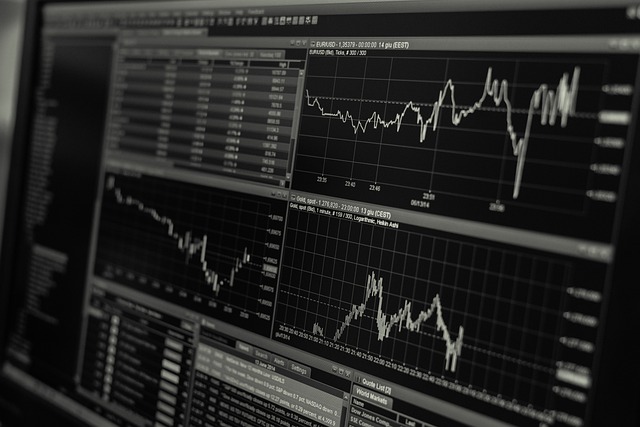
The Economics of Foreign Exchange is an important subject that many people are interested in learning about. Foreign exchange, commonly known as forex or FX, represents the global marketplace where currencies are traded against one another. This trillion-dollar market operates 24 hours a day, five days a week, and serves as the backbone of international trade, investment, and economic policy. Understanding the economics behind foreign exchange is crucial for anyone involved in international business, investment, or even travelers planning overseas trips. The exchange rate between currencies reflects the relative economic strength, political stability, and monetary policies of different nations, making it a fascinating intersection of economics, finance, and geopolitics.
Understanding the Basics
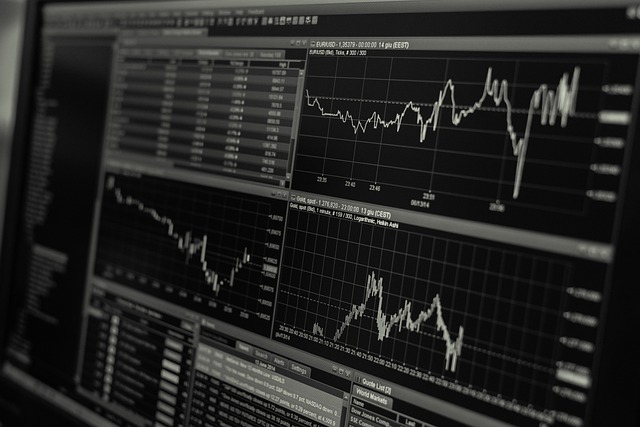
Foreign exchange markets exist because different countries use different currencies, and there’s a constant need to exchange one currency for another. When a business in the United States wants to import goods from Japan, it needs to convert dollars into yen to pay the Japanese supplier. Similarly, when investors want to purchase stocks on a foreign stock exchange, they must first convert their home currency into the currency of that market.
Several factors influence these supply and demand dynamics. Interest rates play a crucial role – higher interest rates tend to attract foreign capital, increasing demand for that country’s currency. Inflation rates also matter significantly. Countries with lower inflation rates typically see their currency appreciate because their purchasing power increases relative to other currencies. Economic growth indicators, such as GDP growth, employment figures, and manufacturing output, can signal the health of an economy and influence currency valuations.
Political stability and economic performance are equally important. Countries with stable governments and strong economic policies tend to have stronger currencies because they’re seen as safer investments. On the other hand, political turmoil or economic uncertainty can lead to currency depreciation as investors seek safer havens for their capital.
Key Methods
Step 1: Analyzing Economic Indicators
The first step in understanding foreign exchange economics involves learning to analyze key economic indicators that drive currency movements. Central banks regularly release data on inflation, employment, GDP growth, and trade balances. These indicators provide insights into the current state and future direction of an economy. For instance, rising inflation might prompt a central bank to increase interest rates, which typically strengthens the currency by making it more attractive to foreign investors seeking higher returns.

Traders and economists closely monitor employment reports, as strong job growth indicates economic expansion and can lead to currency appreciation. Similarly, trade balances matter significantly – countries with trade surpluses (exporting more than they import) generally see increased demand for their currency as foreign buyers need it to purchase their goods. Understanding how to interpret these indicators and anticipate their impact on exchange rates is fundamental to grasping foreign exchange economics. Many professional traders spend years developing this skill, studying historical patterns and correlations between economic data releases and currency movements.
Step 2: Understanding Central Bank Policies
Central banks are the most powerful players in foreign exchange markets. Through monetary policy decisions, they can significantly influence currency values. When a central bank raises interest rates, it typically strengthens the currency because higher rates attract foreign investment. Conversely, lowering rates can weaken a currency. Central banks also engage in direct intervention, buying or selling their own currency to influence its value.

Quantitative easing, a policy where central banks purchase government bonds and other securities, increases the money supply and typically weakens the currency. Forward guidance – statements central banks make about their future policy intentions – can also move markets significantly. Traders and economists carefully analyze every word from central bank officials, looking for clues about future policy directions. Understanding the mandates, tools, and communication strategies of major central banks like the Federal Reserve, European Central Bank, and Bank of Japan is essential for anyone studying foreign exchange economics. These institutions don’t just react to economic conditions; they actively shape them, making their decisions crucial drivers of exchange rate movements.
Step 3: Recognizing Market Psychology and Sentiment
Beyond fundamental economic factors, market psychology plays a crucial role in foreign exchange movements. Investor sentiment, risk appetite, and market expectations can drive currency fluctuations independently of underlying economic fundamentals. During times of global uncertainty, investors often flock to “safe haven” currencies like the US dollar, Japanese yen, or Swiss franc, regardless of their economic conditions.

Market expectations about future events can be just as important as the events themselves. If traders expect a central bank to raise interest rates, they may start buying that currency in anticipation, causing it to appreciate before the rate hike actually occurs. This is why currencies often move on announcements that meet expectations but don’t exceed them – the movement already happened in anticipation. Technical analysis, which studies price patterns and trading volumes, attempts to capture these psychological factors. Understanding how market sentiment, positioning, and expectations influence exchange rates adds an important dimension to foreign exchange economics that purely fundamental analysis might miss.
Practical Tips
**Tip 1: Follow Multiple Information Sources** – Successful understanding of foreign exchange economics requires staying informed through diverse, reliable sources. Subscribe to economic calendars that track upcoming data releases and central bank meetings. Read reports from major financial institutions, follow respected economists on social media, and monitor real-time news services. Don’t rely on a single perspective – different analysts may interpret the same data differently, and exposure to various viewpoints helps develop a more nuanced understanding. Consider setting up alerts for major economic announcements and currency movements so you can observe how markets react in real-time to new information.
**Tip 2: Study Historical Currency Crises** – Some of the best lessons in foreign exchange economics come from studying past currency crises. The Asian Financial Crisis of 1997, the collapse of the British pound in 1992, and more recent events like the Swiss franc’s sudden appreciation in 2015 provide invaluable insights into how currencies can behave under extreme stress. These case studies reveal the limits of economic models, the importance of risk management, and how quickly market conditions can change. Understanding what went wrong in these situations helps identify warning signs and appreciate the complexity of foreign exchange dynamics.
**Tip 3: Learn the Intermarket Relationships** – Foreign exchange doesn’t exist in isolation. Currency movements are closely tied to other financial markets, including stocks, bonds, and commodities. For example, commodity-exporting countries often see their currencies strengthen when commodity prices rise. Bond yields and currency values typically move together because higher yields attract foreign investment. Stock market performance can indicate economic strength and influence currency values. By understanding these intermarket relationships, you can better anticipate currency movements and understand the broader economic picture.
**Tip 4: Practice with Currency Correlation Analysis** – Different currency pairs often move in correlated ways. The Euro and Swiss Franc tend to move together due to geographic proximity and trade relationships. The Australian and Canadian dollars often correlate because both countries are major commodity exporters. Understanding these correlations helps in risk management and provides insights into global capital flows. You can find correlation data from various financial websites and practice analyzing how changes in one currency pair might predict movements in another.
**Tip 5: Develop a Framework for Analysis** – Rather than reacting to every piece of news, develop a structured framework for analyzing foreign exchange economics. This might include regular reviews of key economic indicators, assessment of central bank policy trajectories, evaluation of political risks, and monitoring of technical price levels. Having a systematic approach prevents emotional decision-making and helps identify genuine opportunities versus market noise. Your framework should be flexible enough to adapt to changing conditions but structured enough to provide consistency in your analysis.
Important Considerations
When studying or participating in foreign exchange economics, several important considerations demand attention. First, leverage in forex trading can magnify both gains and losses dramatically. Many retail forex brokers offer leverage ratios of 50:1 or even 100:1, meaning a small adverse movement can wipe out an entire account. Always understand the risks involved and never commit more capital than you can afford to lose.
Second, the foreign exchange market operates globally with minimal regulation compared to stock markets. This creates opportunities but also risks, including counterparty risk and less protection against fraud. Always work with reputable, regulated brokers and institutions. Be particularly cautious of schemes promising guaranteed returns in forex trading – no such guarantees exist in a market this complex and volatile.
Finally, be aware that foreign exchange economics is constantly evolving. The rise of cryptocurrencies, changes in global trade patterns, shifts in geopolitical power, and innovations in financial technology are all reshaping how currencies are valued and traded. What worked yesterday may not work tomorrow, making continuous learning essential.
Conclusion
The Economics of Foreign Exchange represents a fascinating and complex field that sits at the intersection of multiple disciplines – economics, finance, political science, and even psychology. Understanding how currencies are valued, what drives exchange rate movements, and how different economic factors interact provides valuable insights not just for traders and investors, but for anyone interested in how the global economy functions.
The foreign exchange market’s enormous size and liquidity make it a crucial mechanism for international trade and investment. Every day, trillions of dollars worth of currencies change hands, facilitating commerce, enabling investment flows, and allowing risk management across borders. The exchange rates determined in this market affect the competitiveness of nations’ exports, the real value of international investments, and even the prices consumers pay for imported goods.