

Trade Deficit Impact: Business Professor Analysis & Economic Guide
Trade is an important subject that many people are interested in learning about. In our interconnected global economy, understanding trade deficits has become increasingly crucial for business leaders, policymakers, and everyday citizens. A trade deficit occurs when a country imports more goods and services than it exports, creating a negative balance of trade. While many assume this is automatically harmful to an economy, the reality is far more nuanced and complex than this simple interpretation suggests.
Understanding the Basics
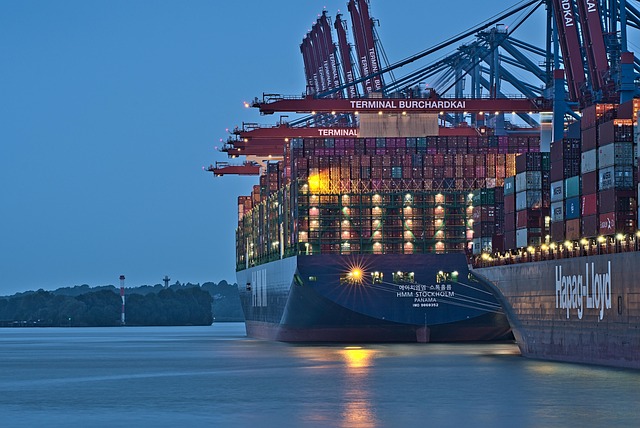
Trade deficits have been a contentious topic in economic policy debates for decades. At its core, a trade deficit represents the difference between what a nation sells to other countries and what it purchases from them. When imports exceed exports, the resulting negative balance is termed a trade deficit. However, the question of whether this is inherently “bad” requires careful examination of multiple economic factors.
First, it’s essential to understand that trade deficits are not isolated economic phenomena. They exist within a broader context of capital flows, investment patterns, and currency exchange rates. When a country runs a trade deficit, it means foreign entities are accumulating that country’s currency or assets. This isn’t necessarily problematic—in fact, it can indicate that a nation is an attractive destination for investment.
Consider the United States, which has maintained substantial trade deficits for decades while remaining the world’s largest economy. This paradox challenges the notion that deficits are universally detrimental. The deficit reflects several factors: strong domestic consumption, a robust currency that makes imports relatively affordable, and significant foreign investment in U.S. assets and businesses.

Moreover, trade deficits can actually benefit consumers through lower prices and greater product variety. When countries specialize in producing goods where they have comparative advantages and trade freely, overall economic efficiency increases. A trade deficit might simply reflect that other nations are more efficient at producing certain goods, allowing domestic resources to focus on higher-value activities like innovation, services, and specialized manufacturing.
Key Methods
Step 1: Analyzing the Composition of Trade
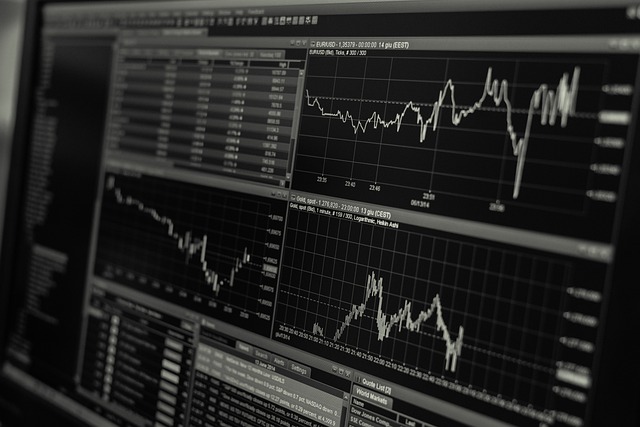
Understanding whether a trade deficit is problematic requires examining what’s being imported and exported. Not all trade deficits are created equal. If a country imports primarily capital goods—machinery, technology, and equipment used for production—this can enhance future productive capacity and economic growth. Such imports are investments in the economy’s future capabilities.
Conversely, if imports consist mainly of consumer goods with no corresponding investment in productive capacity, this might indicate underlying economic challenges. Business professors emphasize the importance of disaggregating trade data to understand these distinctions. For example, importing advanced manufacturing equipment from Germany or robotics from Japan could boost domestic productivity, while importing basic consumer goods might simply reflect consumption patterns.
Additionally, the export composition matters significantly. Countries exporting high-value services, intellectual property, and advanced manufactured goods are in a stronger position than those relying on commodity exports. The United States, for instance, has substantial service exports in areas like finance, technology, entertainment, and education that don’t always receive as much attention as merchandise trade but are crucial to the overall trade picture.

Step 2: Evaluating Capital Flows and Investment Patterns
A critical aspect often overlooked in trade deficit discussions is the relationship between trade balances and capital flows. These are two sides of the same coin in international economics. When a country runs a trade deficit, it must be financed by foreign capital inflows—either through foreign investment in domestic assets or through borrowing from abroad.
If foreign entities are investing in productive assets—building factories, funding startups, purchasing real estate, or buying government bonds—this can be economically beneficial. It represents confidence in the economy’s future prospects. Foreign direct investment (FDI) can bring not just capital but also technology transfer, management expertise, and access to global markets.

However, if capital inflows primarily finance consumption rather than investment, or if they’re unstable and subject to sudden reversals, this creates vulnerability. Business schools teach students to examine the sustainability of capital flows supporting trade deficits. A deficit financed by long-term productive investments is fundamentally different from one financed by short-term speculative capital that might flee during economic uncertainty.
Step 3: Assessing Economic Context and Policy Implications
The impact of trade deficits must be evaluated within each country’s specific economic context. A trade deficit might be entirely appropriate for a rapidly growing economy attracting foreign investment to fund expansion. Emerging markets often run trade deficits during development phases as they import capital goods and technology to build productive capacity.
Conversely, persistent large deficits in mature economies might signal underlying issues such as low domestic savings rates, excessive consumption, declining competitiveness in key industries, or currency misalignments. The policy response depends on accurate diagnosis. If a deficit stems from inadequate domestic savings, the solution involves encouraging savings and investment rather than trade restrictions. If it reflects lost competitiveness, the focus should be on innovation, education, infrastructure, and business environment improvements.
Currency valuations play a crucial role in trade balances. An overvalued currency makes imports cheaper and exports more expensive, contributing to deficits. However, currency valuations are influenced by numerous factors including interest rate differentials, economic growth rates, political stability, and monetary policy. Simple solutions like currency devaluation can have unintended consequences, including imported inflation and reduced purchasing power.
Practical Tips
**Tip 1: Look Beyond Headline Numbers to Understand Trade Dynamics**
When evaluating trade deficits, business leaders and policymakers should examine detailed trade statistics rather than just aggregate figures. Break down imports and exports by category—capital goods, consumer goods, raw materials, and services. This reveals whether deficits reflect productive investment or merely consumption. Additionally, analyze trade relationships by country and region to identify specific issues or opportunities. Some bilateral deficits might be offset by surpluses with other partners, and examining the overall trade network provides a more complete picture than focusing on individual relationships.
**Tip 2: Monitor the Quality and Sustainability of Capital Inflows**
Since trade deficits must be financed by capital inflows, assess the nature of these flows carefully. Foreign direct investment in productive capacity is generally more stable and beneficial than portfolio investment that can quickly reverse. Examine whether foreign capital is funding infrastructure, technology development, and business expansion, or primarily financing government deficits and consumption. Sustainable capital flows that support long-term growth are fundamentally different from speculative “hot money” that creates vulnerability to sudden stops or reversals.
**Tip 3: Consider Trade Deficits in Relation to Overall Economic Health**
Trade balances are just one indicator among many in assessing economic performance. A country might run trade deficits while experiencing strong GDP growth, low unemployment, rising productivity, and improving living standards. Conversely, a trade surplus doesn’t guarantee economic health—it might reflect weak domestic demand or underinvestment. Evaluate trade balances alongside metrics like GDP growth, employment rates, inflation, productivity trends, and investment levels to form a comprehensive view of economic health.
**Tip 4: Understand the Role of Exchange Rates and Monetary Policy**
Currency values significantly impact trade balances through their effects on import and export prices. However, exchange rates are influenced by complex factors including interest rate differentials, inflation expectations, economic growth prospects, and safe-haven demand. Business professors emphasize that currency manipulation or forced devaluations can backfire by triggering inflation, reducing purchasing power, and damaging credibility. Instead, focus on fundamentals—improving productivity, fostering innovation, and creating favorable business environments that naturally enhance competitiveness.
**Tip 5: Focus on Competitiveness Rather Than Protectionism**
When facing persistent trade deficits, the temptation might be to implement tariffs or trade restrictions. However, history shows such measures often prove counterproductive. They raise costs for consumers and businesses, invite retaliation, disrupt supply chains, and reduce overall economic efficiency. A more effective approach focuses on enhancing competitiveness through investment in education, research and development, infrastructure, and policies that encourage innovation and entrepreneurship. Countries that maintain open trade while investing in their competitive advantages tend to achieve better long-term outcomes than those retreating behind protective barriers.
Important Considerations
When analyzing trade deficits, several crucial considerations require attention. First, timing matters significantly. Short-term fluctuations in trade balances often reflect temporary factors like commodity price changes, exchange rate movements, or cyclical economic conditions rather than fundamental problems. Distinguishing between temporary volatility and persistent structural issues is essential for appropriate policy responses.
Second, be aware of measurement challenges in modern trade. Traditional trade statistics sometimes fail to capture the full value of international economic relationships. For example, if a product is designed in one country, manufactured with components from multiple countries, assembled in another, and sold globally, which country “exports” it? Value-added trade accounting provides better insights than gross trade figures by tracking where value is actually created rather than just where final assembly occurs.
Third, recognize that trade relationships are reciprocal and complex. A deficit with one country might be balanced by surpluses with others, and what appears as bilateral imbalance might reflect efficient global supply chains. Additionally, trade restrictions or attempts to force bilateral balance often harm overall economic welfare by disrupting these efficient arrangements.
Finally, understand that trade deficits interact with other macroeconomic variables. Fiscal deficits, savings rates, investment levels, and monetary policy all influence trade balances. Addressing trade imbalances often requires changes in domestic economic policies rather than just trade policy adjustments.
Conclusion
The question “Is a trade deficit always bad for a country?” cannot be answered with a simple yes or no. Economic reality is far more nuanced than such binary thinking allows. Trade deficits can indicate economic strength—attracting foreign investment, benefiting from efficient global specialization, and providing consumers with affordable goods and variety. Alternatively, they might signal underlying challenges like inadequate savings, declining competitiveness, or unsustainable consumption patterns.
The key is context. Business professors and economists emphasize examining the composition of trade, the nature of capital flows financing deficits, the overall economic situation, and the sustainability of current patterns. A rapidly growing economy importing capital goods and attracting productive foreign investment might appropriately run deficits while building future prosperity. Conversely, an economy with persistent large deficits financed by unstable capital flows while experiencing stagnant productivity and declining industries faces genuine challenges.
Rather than fixating on trade balance numbers as inherently good or bad, focus on fundamental economic health—productivity growth, innovation capacity, educational achievement, infrastructure quality, and business environment competitiveness. Countries that excel in these fundamentals tend to have strong economic performance regardless of whether they run trade deficits or surpluses at any given time.
The goal should be creating dynamic, competitive economies that can thrive in global markets, not achieving arbitrary trade balance targets. Understanding this distinction is crucial for business leaders making strategic decisions, policymakers crafting economic strategies, and citizens evaluating economic performance. Trade is a tool for enhancing prosperity through specialization and exchange, not a zero-sum competition where deficits equal defeat and surpluses equal victory.